



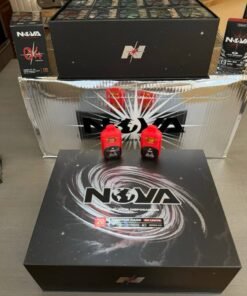


Nova 2G SWITCH Disposable Informational Device Overview

In recent years, Nova 2g Switch Disposable vapor devices have evolved beyond single-mode formats. Manufacturers now integrate switching mechanisms that allow internal configuration changes without requiring additional components. As a result, devices labeled “SWITCH” typically indicate selectable internal modes rather than physical part replacements.
Nova 2G SWITCH Disposable fits within this category as a sealed, capacity-classified electronic device that incorporates an internal switching system. Instead of promoting use, this overview explains its structural framework, naming logic, manufacturing standards, and distribution considerations.
Understanding the “2G” Capacity Classification
To begin with, the “Nova 2g Switch Disposable 2G” designation refers to a standardized capacity label used for manufacturing and inventory organization. Capacity markers help producers align internal component sizing, packaging dimensions, and regulatory documentation.
Because consistent capacity affects internal layout, the nova 2g switch disposable classification ensures predictable battery pairing and airflow channel design. Consequently, quality control benchmarks remain stable across production runs.
Additionally, standardized labeling supports logistics efficiency. Therefore, warehouses can sort and track inventory categories more accurately.
What “SWITCH” Signifies in Device Design
The term “SWITCH” generally refers to an integrated mechanism that allows internal mode selection. Rather than altering hardware physically, the device enables electronic transitions between preset configurations.
Typically, switch-enabled disposables may include:
- Adjustable power levels
- Airflow variations
- Calibrated heating profiles
Because switching is managed internally, structural integrity remains intact. As a result, users do not need to disassemble or modify the device.
Exterior Construction and Structural Materials
From a materials standpoint, nova 2g switch disposable features a compact, ergonomically contoured housing. Manufacturers commonly use lightweight composite materials that balance durability with portability.
Moreover, the outer shell is sealed during final assembly. This sealing process protects internal components from dust exposure and minor environmental contact.
Surface finishes are selected to resist scratches and fingerprints. Consequently, the device maintains a consistent appearance during storage and distribution.
Internal Component Configuration
Inside the device, components are arranged to maximize spatial efficiency. The internal configuration generally includes:
- Integrated rechargeable or pre-charged battery module
- Heating element assembly
- Sealed internal chamber
- Airflow channel
- Switch control circuitry
Because these components are installed using standardized alignment protocols, assembly consistency is improved. Therefore, structural imbalance is minimized during production.
Power Management and Output Calibration
Power delivery systems in disposable hardware are pre-calibrated during manufacturing. In this format, battery output is matched to the internal resistance of heating elements.
Furthermore, switching mechanisms regulate output depending on selected configuration. Therefore, internal circuitry adjusts voltage delivery automatically.
Each unit undergoes electrical testing before packaging. As a result, devices that fall outside acceptable tolerances are removed from distribution.
Airflow Engineering and Structural Balance
Airflow channels are integrated directly into the molded housing. This approach eliminates loose internal tubing and reduces assembly complexity.
Additionally, airflow alignment is verified during production. Because unobstructed airflow is essential for structural balance, alignment testing helps ensure uniform device operation.
Consequently, performance variation between units is reduced.
Manufacturing Standards and Quality Assurance
Production follows a repeatable assembly sequence. Each stage is monitored to ensure structural and electrical accuracy.
Standard checkpoints include:
- Battery placement verification
- Electrical continuity testing
- Switch responsiveness inspection
- Seal compression validation
- Exterior alignment check
Because quality assurance steps are documented systematically, batch consistency can be maintained across large production volumes.
Packaging Design and Information Layout
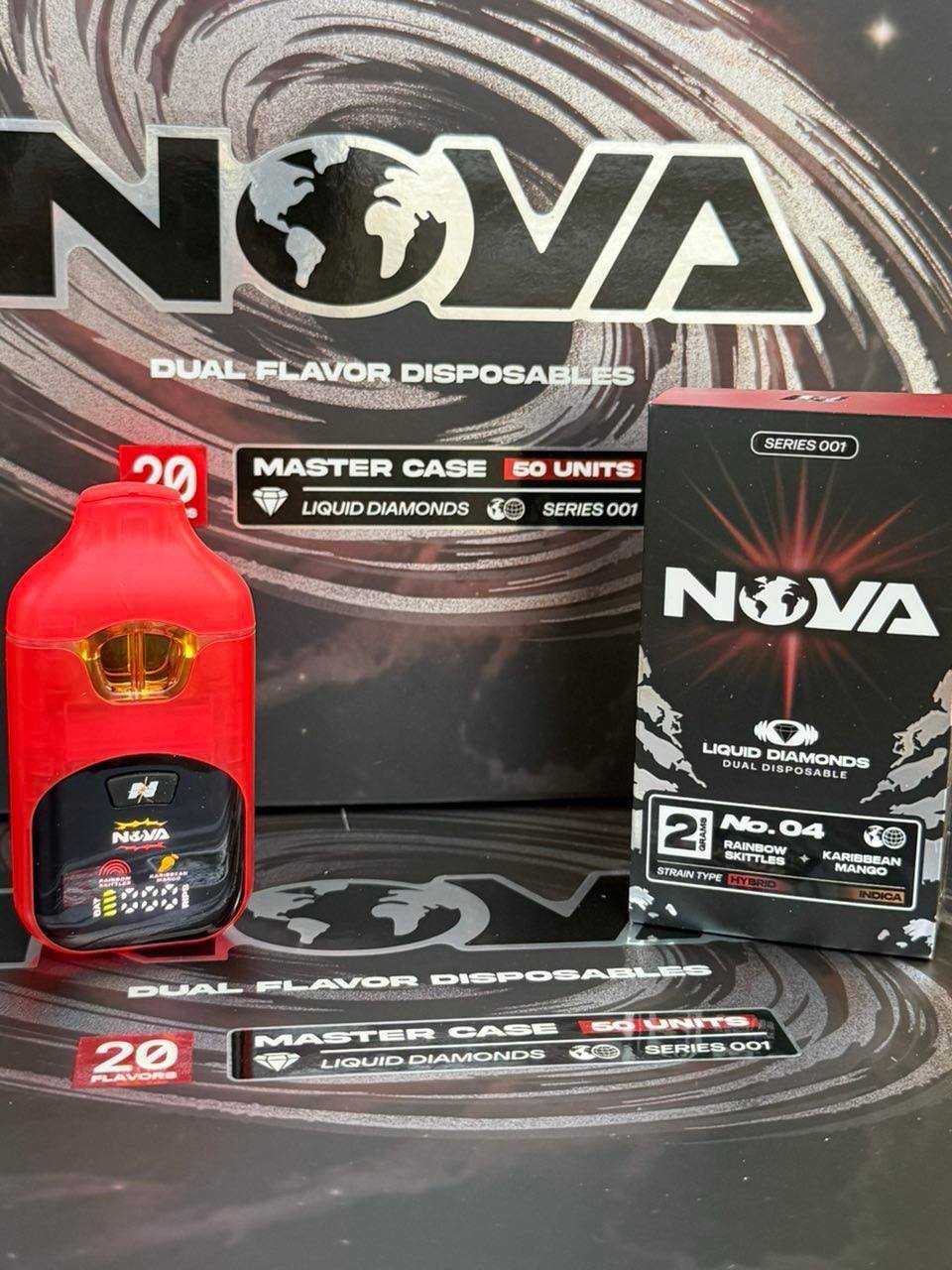
Packaging serves both protective and informational functions. Boxes are dimensioned according to capacity classification to reduce internal movement during transit.
Additionally, labeling typically includes:
- Product name
- Capacity designation (2G)
- SWITCH identifier
- Batch or lot number
- Regulatory notices where applicable
Information placement follows standardized formatting guidelines. As a result, compliance inspections can be completed without unsealing the package.
Storage and Environmental Stability
Proper storage conditions help preserve device integrity. For this reason, manufacturers recommend storing units in cool, dry environments away from prolonged sunlight exposure.
Extreme temperatures may affect battery stability. Therefore, climate-controlled warehousing is preferred during long-term storage.
Humidity exposure should also be minimized. Consequently, packaging seals remain intact and labeling remains legible.
Logistics and Supply Chain Efficiency
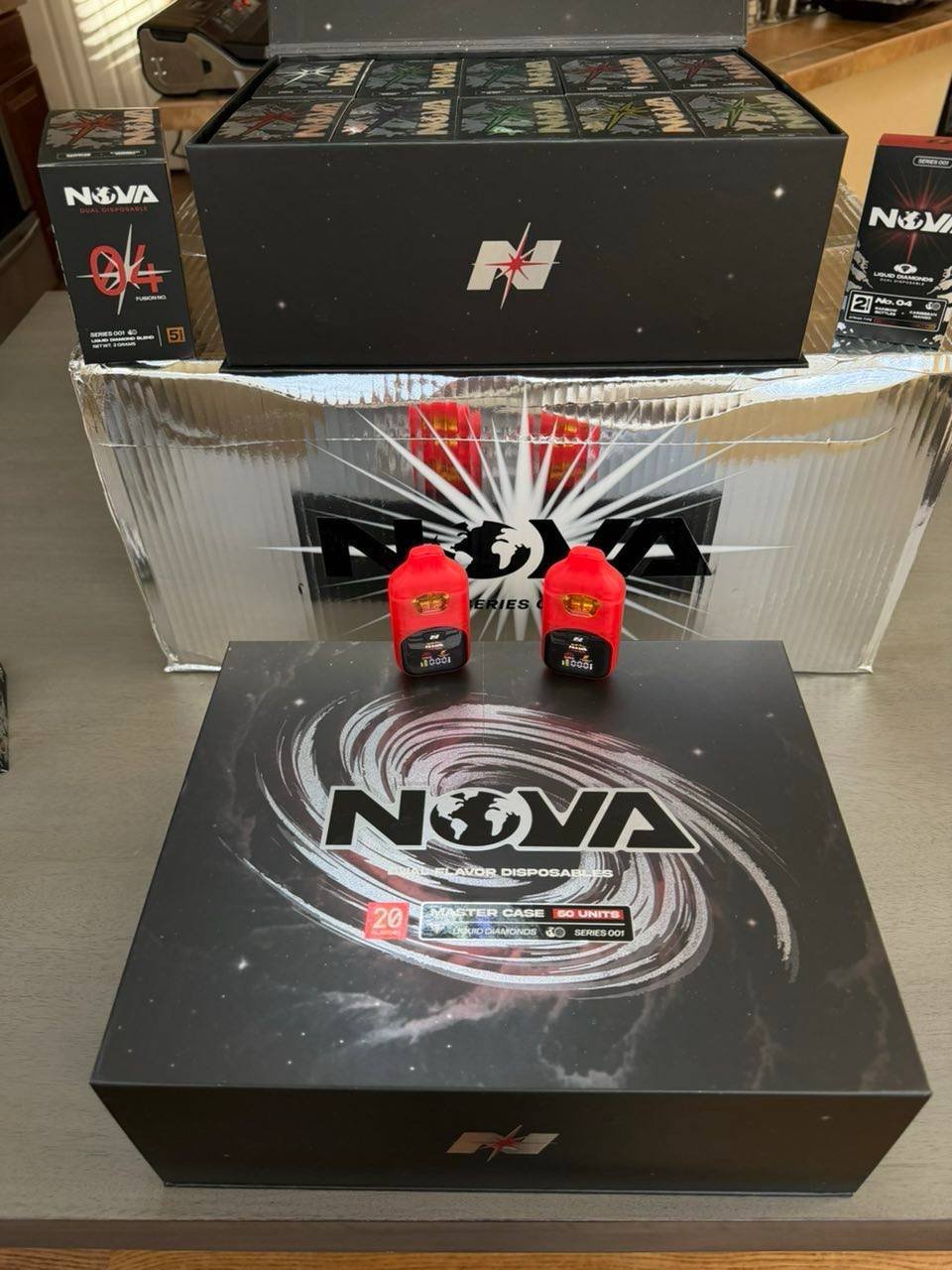
Nova 2g Switch Disposable devices are engineered for efficient shipping and handling. Uniform sizing allows cartons to be stacked securely during transportation.
Because packaging dimensions are standardized:
- Damage risk during transit is reduced
- Inventory scanning processes are streamlined
- Warehouse organization becomes more efficient
Furthermore, barcode systems support automated tracking. As a result, distribution timelines are optimized.
Regulatory and Compliance Context
In many jurisdictions, disposable vapor devices fall under restricted distribution frameworks. Therefore, shipments are typically limited to authorized retailers.
Compliance documentation may accompany bulk orders. As a result, traceability is maintained across the supply chain.
Packaging includes mandated warnings where required. Consequently, retailers can meet regulatory standards without modifying original labeling.
Environmental Considerations and Disposal Awareness
Nova disposable thc electronic devices contain batteries and circuit boards. For this reason, responsible disposal practices are encouraged.
Many regions provide electronic waste collection programs. Therefore, devices should be disposed of according to local recycling guidelines.
Additionally, manufacturers increasingly explore recyclable packaging materials. As a result, environmental impact may be reduced over time.
Structural Integrity and Handling Durability
Nova 2G SWITCH Disposable is engineered to withstand routine handling. Internal components are secured to prevent displacement during shipping.
Reinforced seam alignment supports casing stability. Because of this design, vibration-related issues are minimized.
However, excessive force may compromise housing integrity. Therefore, careful handling remains important throughout distribution.
Positioning Within the Disposable Hardware Category
Within the broader disposable hardware segment, switch-enabled devices represent an evolution in internal functionality rather than a separate classification.
Nova 2G SWITCH Disposable aligns with this development by integrating selectable configurations within a sealed structure.
Key defining characteristics include:
- Sealed construction
- Integrated switching circuitry
- Capacity-classified layout
- Standardized packaging
Because these attributes follow industry norms, the device can be cataloged efficiently within inventory systems.
Informational Summary
In summary, Nova 2G SWITCH Disposable is a sealed, capacity-classified electronic device that incorporates an internal switching mechanism. Through standardized manufacturing, documented quality assurance, and compliance-focused packaging, the device fits within structured distribution frameworks.
This overview provides a neutral explanation of hardware design, classification terminology, and supply chain considerations. As a result, it functions as an informational resource rather than promotional content.


Reviews
There are no reviews yet.