

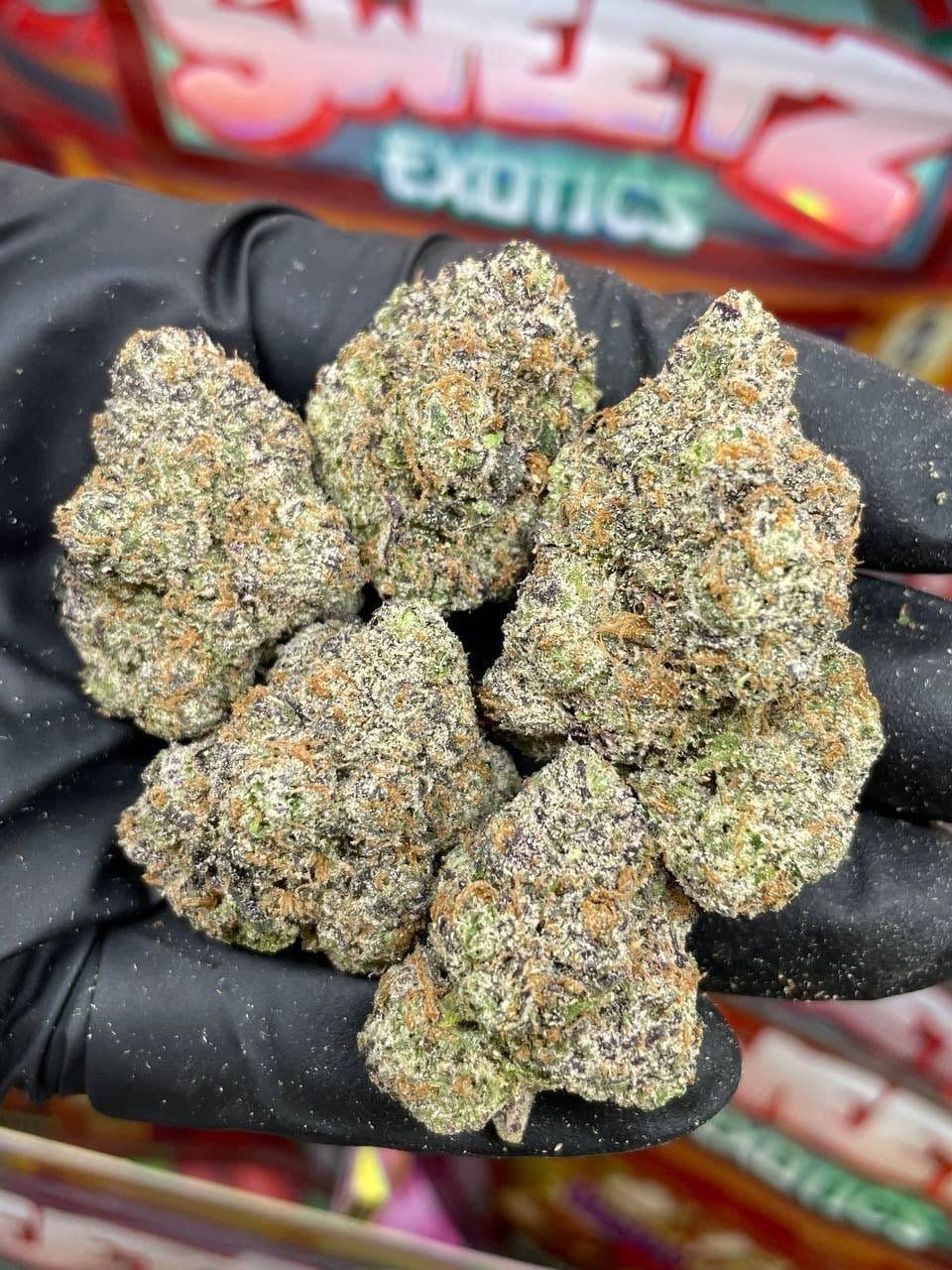
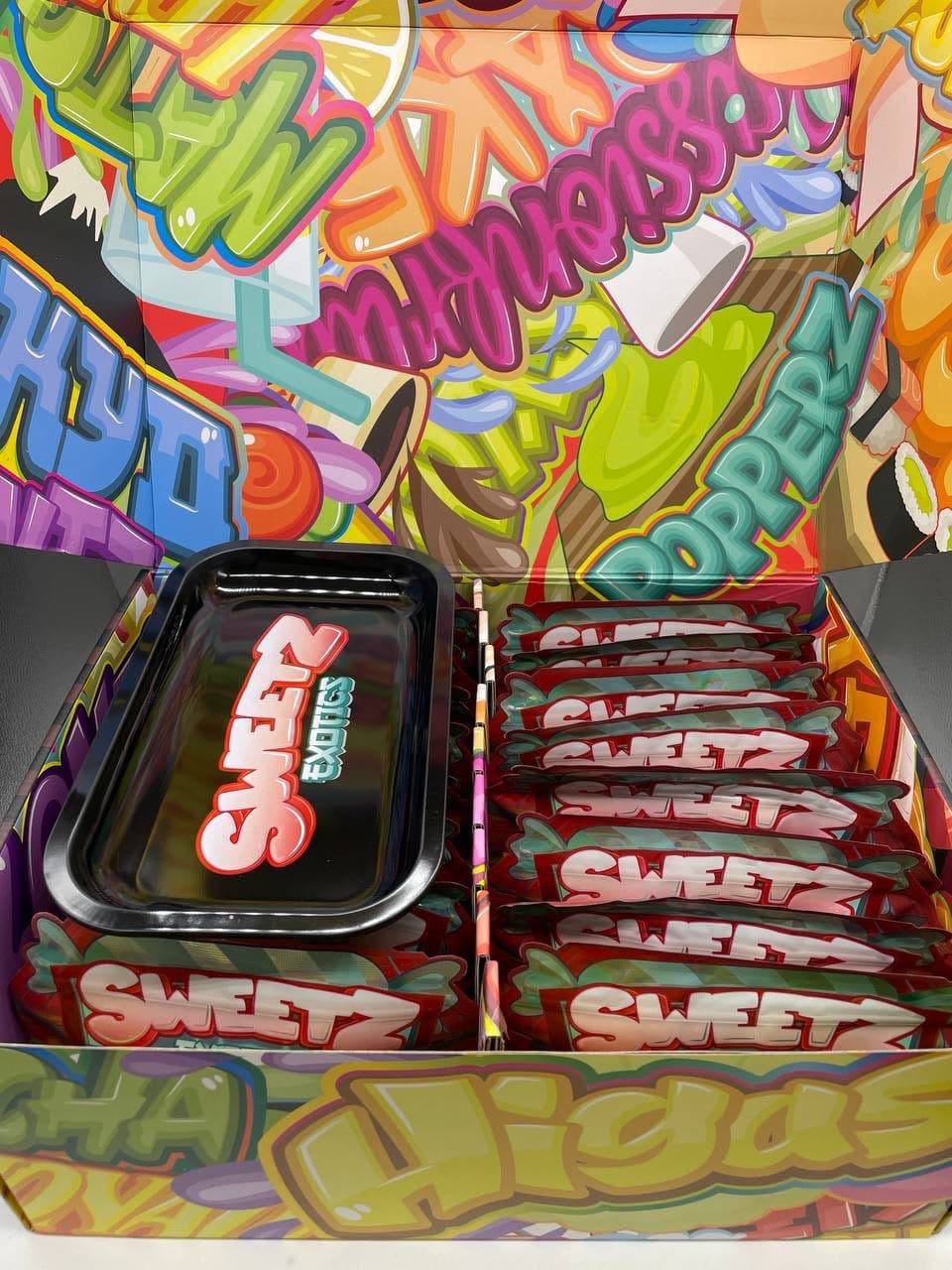
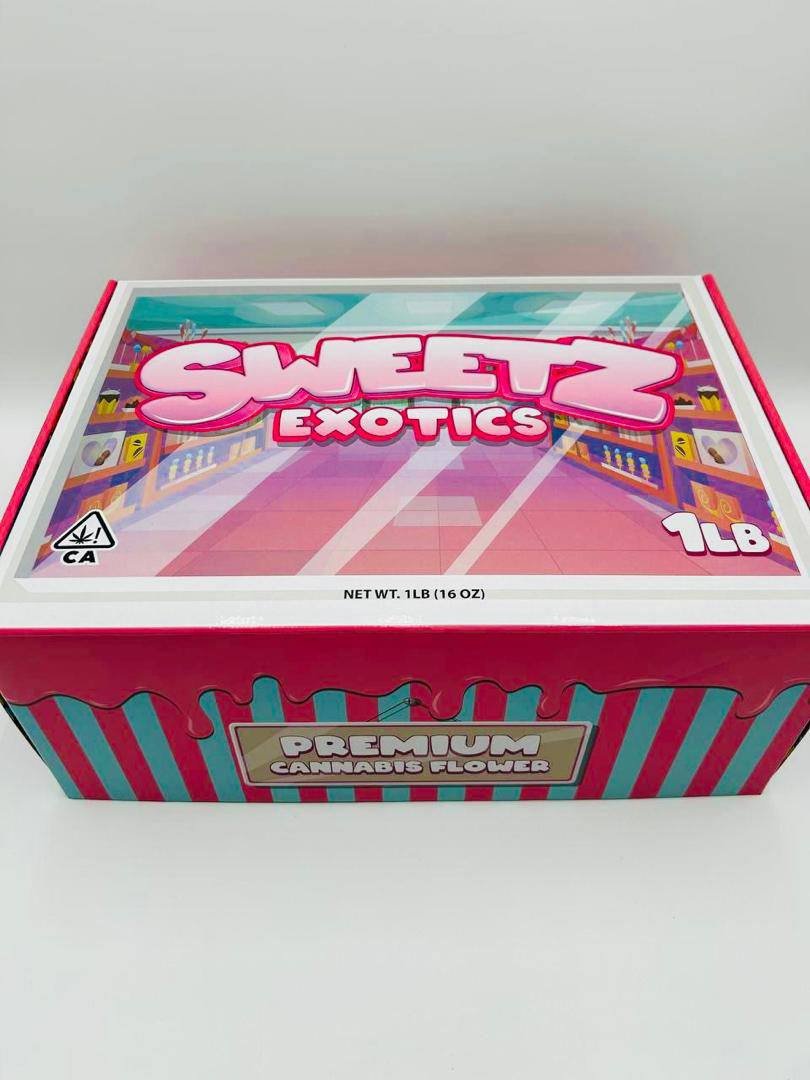
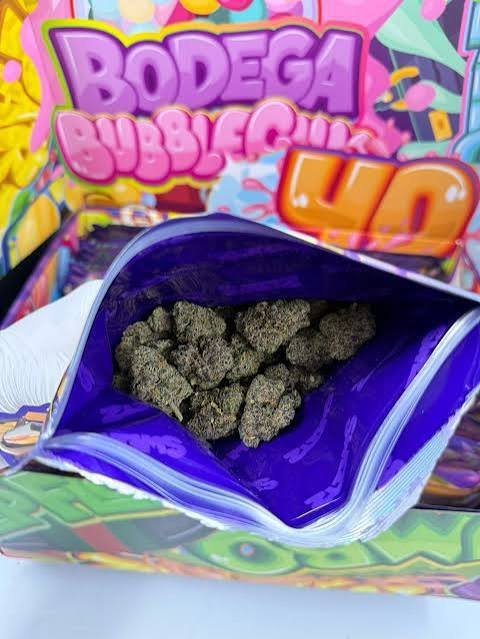
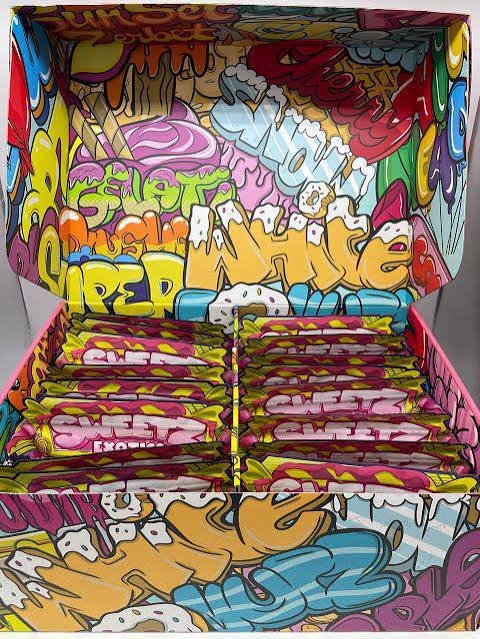
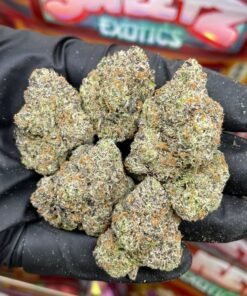



SWEETZ EXOTIC FLOWERS
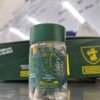
Original price was: $200.00.$150.00Current price is: $150.00.
In regulated botanical markets, product names often combine branding language with classification terminology. For example, the term “SWEETZ EXOTIC FLOWERS” refers to harvested, dried, and cured plant buds prepared for distribution. Meanwhile, descriptors such as “exotic” typically indicate a distinctive genetic lineage, cultivation style, or limited production batch.
SWEETZ EXOTIC FLOWERS Informational Botanical Product Overview

In regulated botanical markets, product names often combine branding language with classification terminology. For example, the term “SWEETZ EXOTIC FLOWERS” refers to harvested, dried, and cured plant buds prepared for distribution. Meanwhile, descriptors such as “exotic” typically indicate a distinctive genetic lineage, cultivation style, or limited production batch. Therefore, when combined in a product name, these terms create a recognizable catalog reference rather than a scientific classification.
SWEETZ EXOTIC FLOWERS functions as a structured identifier within inventory and compliance systems. Instead of serving as promotional messaging, the name supports batch tracking, labeling alignment, and regulatory documentation.
This overview explains terminology, cultivation practices, post-harvest handling, laboratory verification, packaging requirements, and distribution frameworks associated with flower products.
Understanding the “SWEETZ EXOTIC FLOWERS” Designation
To begin with, SWEETZ EXOTIC FLOWERS refers to the dried and cured buds harvested from mature plants. Unlike concentrates or extracts, flower remains in a minimally processed botanical form after trimming and curing. As a result, structural integrity, aroma profile, and moisture content depend heavily on cultivation and post-harvest procedures.
Flower classification generally includes:
- Harvested plant buds
- Trimmed botanical material
- Controlled curing process
- Moisture content verification
- Batch-based identification
Because flower retains its natural structure, environmental controls during growth and curing directly influence measurable quality indicators. Consequently, licensed cultivation facilities maintain detailed production logs throughout the growth cycle.
The Meaning of “SWEETZ EXOTIC FLOWERS” in Product Naming
The term “SWEETZ EXOTIC FLOWERS” commonly appears in product catalogs to describe distinctive genetic characteristics or limited availability batches. However, it does not represent a standardized regulatory category. Instead, it functions as descriptive branding language.
Regulatory authorities evaluate laboratory testing data and cultivation compliance records rather than marketing descriptors. Therefore, terms like “exotic” hold cataloging significance but do not replace analytical verification.
Because naming conventions vary among producers, batch numbers and lot identifiers provide the most reliable compliance reference. As a result, documentation accuracy remains consistent regardless of branding variations.
Cultivation Standards and Environmental Controls
Cultivation practices play a central role in determining the final characteristics of flower products. For this reason, licensed facilities operate under controlled environmental conditions.
Environmental management typically includes:
- Temperature regulation
- Humidity monitoring
- Light cycle scheduling
- Nutrient management
- Pest control protocols
These variables are documented throughout the growth cycle. Consequently, traceability can be maintained from seed to harvest.
After maturation, plants are harvested and prepared for trimming. During this stage, careful handling preserves bud structure and reduces mechanical damage. As a result, structural consistency is supported prior to curing.
Post-Harvest Processing and Curing
Curing stabilizes moisture content and enhances structural durability. Therefore, harvested flower is transferred to climate-controlled curing rooms.
The curing process generally involves:
- Gradual humidity reduction
- Controlled airflow
- Periodic inspection
- Moisture measurement
Because improper curing can lead to instability, technicians monitor environmental variables closely. Consequently, the final product achieves balanced moisture levels within compliance guidelines.
Once curing is complete, batches are sorted and prepared for packaging. Each batch receives a unique identifier. As a result, documentation continuity is preserved.
Laboratory Testing and Analytical Verification
Before distribution, flower products undergo independent laboratory testing. For this reason, third-party laboratories conduct analytical evaluations under standardized protocols.
Testing categories often include:
- Cannabinoid profile analysis
- Terpene profile identification
- Pesticide screening
- Heavy metal testing
- Microbial contamination analysis
Laboratory reports are linked directly to batch numbers. Therefore, regulators can verify compliance efficiently.
Because analytical verification supports transparency, documentation accompanies shipments within regulated supply chains. Consequently, oversight mechanisms remain effective.
Packaging Standards and Protective Design
Packaging protects flower from environmental exposure and physical degradation. Therefore, container materials are selected based on moisture resistance, light protection, and sealing capability.
Common packaging features include:
- Airtight sealing systems
- Opaque or UV-resistant containers
- Tamper-evident closures
- Child-resistant mechanisms where required
These protective measures reduce contamination risk during storage and transport. As a result, product integrity is maintained within regulatory parameters.
Labeling Requirements and Compliance Information
Regulated markets require specific information to appear clearly on packaging. Therefore, labels generally include:
- Product name (SWEETZ EXOTIC FLOWERS)
- Net weight
- Batch or lot number
- Harvest or packaging date
- Laboratory testing reference
- Regulatory notices where mandated
Information placement follows jurisdictional formatting standards. Consequently, inspection procedures can occur without opening sealed containers.
Storage Guidelines and Environmental Stability
Proper storage conditions help preserve structural and compositional stability. For this reason, flower products should be stored in cool, dry environments away from direct sunlight.
Excessive humidity may alter moisture balance. Therefore, climate-controlled warehousing is recommended during distribution.
Additionally, containers should remain sealed until authorized handling occurs. As a result, environmental exposure is minimized.
Distribution and Supply Chain Oversight
SWEETZ EXOTIC FLOWERS products move through regulated distribution channels. Therefore, licensed operators manage transportation and documentation requirements.
Tracking systems often include barcode integration and digital inventory management platforms. Consequently, each unit remains connected to its batch documentation.
Because standardized packaging dimensions facilitate stacking and shipment, logistics planning becomes more efficient. As a result, transit-related damage is reduced.
Regulatory Framework and Restricted Access
In jurisdictions where SWEETZ EXOTIC FLOWERS products are regulated, distribution is restricted to licensed entities. Therefore, compliance documentation accompanies shipments when required.
Age-related restrictions may apply depending on regional legislation. Consequently, accountability is maintained at each stage of the retail process.
Regulators rely primarily on laboratory analysis and cultivation licensing records rather than descriptive branding language. As a result, objective compliance standards guide oversight decisions.
Environmental Responsibility and Disposal Considerations
Packaging materials may include recyclable components depending on design. For this reason, disposal practices should align with local recycling guidelines where available.
Manufacturers continue to evaluate sustainable packaging alternatives. Therefore, environmental impact reduction strategies are gradually integrated into production planning.
Consumers are encouraged to follow regional waste management policies when discarding packaging. As a result, responsible disposal supports environmental stewardship.
Positioning Within Botanical Product Categories
Within the broader botanical market, flower products represent a foundational classification category. SWEETZ EXOTIC FLOWERS aligns with this category through documented cultivation practices, laboratory verification, and compliance-based packaging standards.
Unlike processed concentrates or infused products, flower remains in its natural botanical form after trimming and curing. Consequently, cultivation and post-harvest handling exert a direct influence on measurable quality indicators.
Key classification attributes include:
- Harvested and cured botanical buds
- Batch-based identification
- Laboratory-verified composition
- Compliance-focused labeling
- Controlled distribution channels
Because these attributes align with regulatory frameworks, the product can be cataloged efficiently within authorized systems.
Informational Summary
In summary, SWEETZ EXOTIC FLOWERS is a botanical product classification defined by structured terminology, documented cultivation practices, laboratory verification, and regulated packaging standards. Through controlled growth environments, monitored curing procedures, compliance-driven labeling, and traceable distribution systems, the product fits within established oversight frameworks.
This overview provides a neutral explanation of flower classification terminology, cultivation processes, packaging requirements, laboratory testing standards, and regulatory considerations. Therefore, it serves as an informational reference rather than promotional content.
| Prices | Cotton Candy, Watermelon, Raspberry, Blue Razz, Strawberry |
|---|
1 review for SWEETZ EXOTIC FLOWERS
Add a review
Related products

Flowers And Prer-Rolls

Flowers And Prer-Rolls
Flowers And Prer-Rolls
Flowers And Prer-Rolls

Flowers And Prer-Rolls
Flowers And Prer-Rolls

Flowers And Prer-Rolls
Flowers And Prer-Rolls
Mark Snyder –
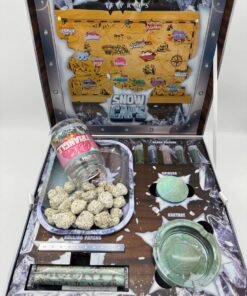
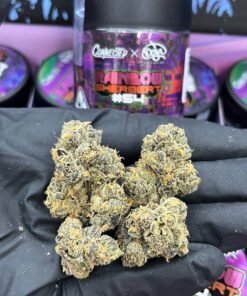
The shelf appeal on sweetz is insane. The nugs are completely caked in white trichomes and have these deep purple streaks running through them. It’s almost too pretty to grind up.