

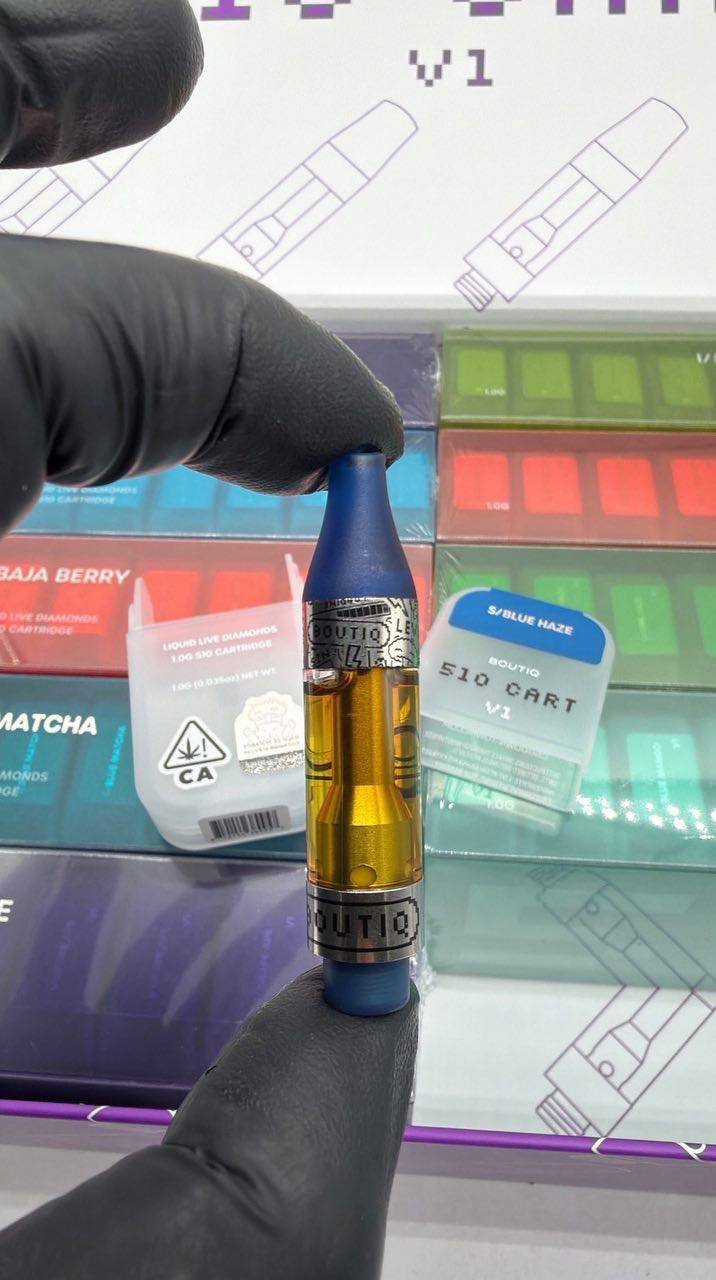
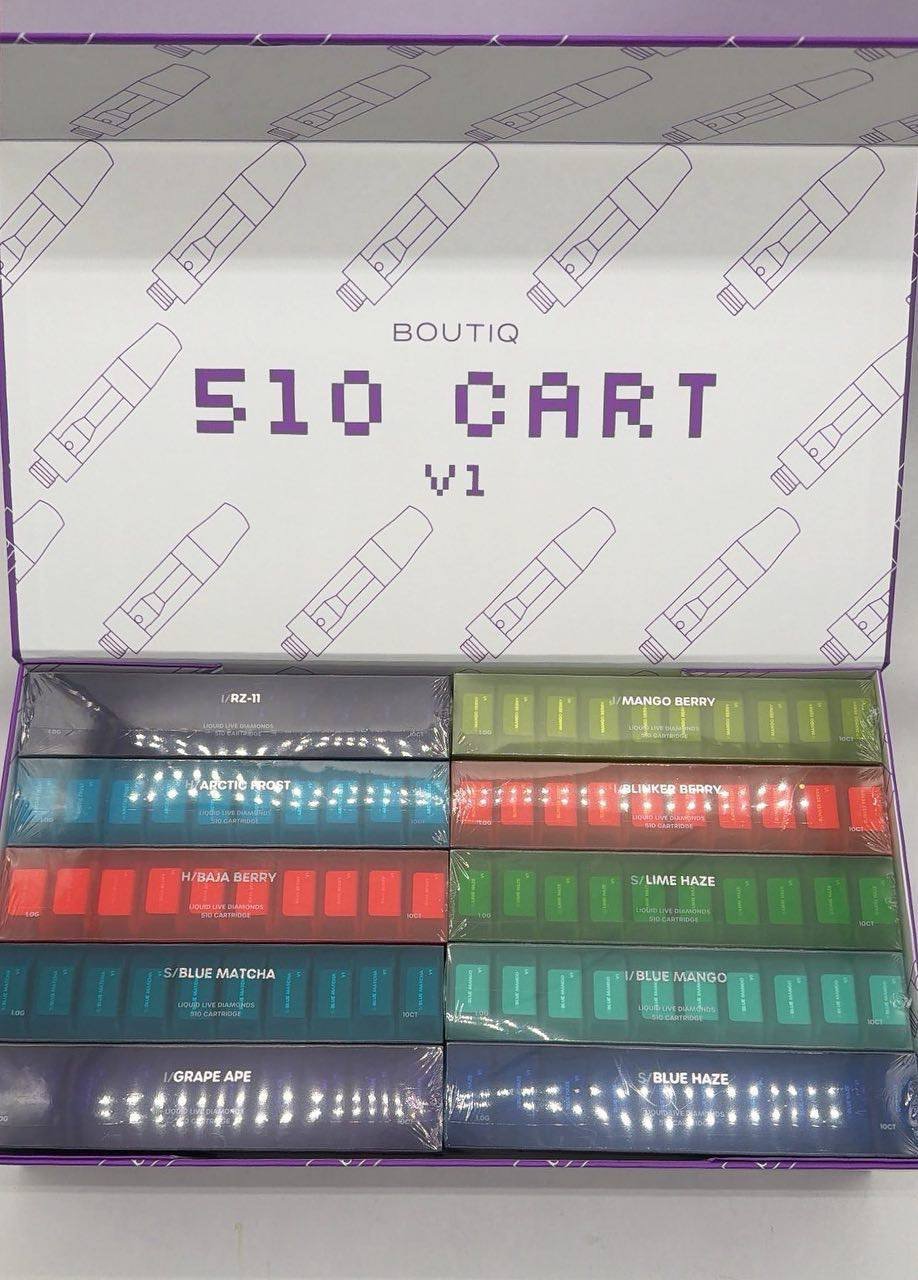
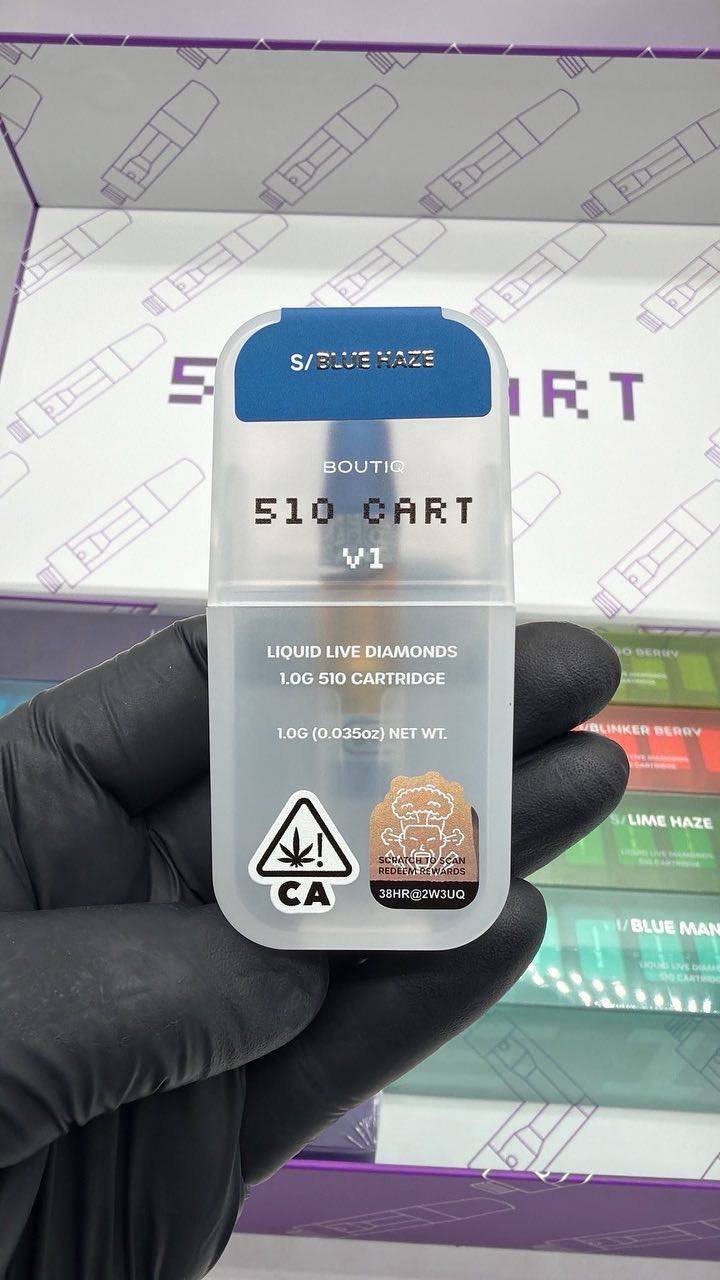
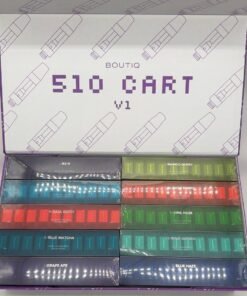
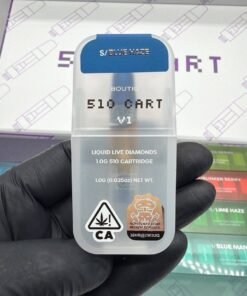
Boutiq 1G Liquid Diamond Carts

Price range: $25.00 through $950.00
In regulated botanical concentrate markets, product terminology often combines extract classification with hardware format and capacity designation. For example, “Boutiq 1G Liquid Diamond Carts” refers to a concentrate structure that contains crystalline cannabinoid formations suspended in a terpene-rich liquid fraction. Meanwhile, “1G carts” identifies a one-gram cartridge format designed for compatibility with standardized vaporization hardware. Therefore, when these terms appear together, they describe both extract composition and containment structure.
Boutiq 1G Liquid Diamond Carts Informational Cartridge Classification Overview
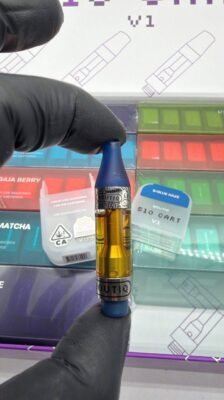
In regulated botanical concentrate markets, product terminology often combines extract classification with hardware format and capacity designation. For example, “Boutiq 1G Liquid Diamond Carts” refers to a concentrate structure that contains crystalline cannabinoid formations suspended in a terpene-rich liquid fraction. Meanwhile, “1G carts” identifies a one-gram cartridge format designed for compatibility with standardized vaporization hardware. Therefore, when these terms appear together, they describe both extract composition and containment structure.
Boutiq 1G Liquid Diamond Carts functions as a structured catalog identifier rather than a scientific classification. Instead of serving as promotional language, the name supports inventory tracking, batch documentation, and compliance labeling within regulated distribution systems.
This overview explains terminology, structural composition, cartridge hardware design, laboratory verification standards, packaging requirements, and regulatory considerations associated with liquid diamond cartridge formats.
Understanding the “Liquid Diamonds” Terminology
To begin with, the phrase “liquid diamonds” describes a concentrate format characterized by crystalline cannabinoid structures combined with a liquid terpene fraction. These crystalline formations develop during controlled extraction and refinement processes. Subsequently, they are stabilized within a viscous liquid matrix.
The process generally involves:
- Extraction of target compounds
- Controlled crystallization
- Separation of crystalline structures
- Reintroduction or preservation of liquid terpene components
Because crystallization occurs under monitored temperature and pressure conditions, structural consistency can be maintained across batches. Consequently, concentrate texture classification becomes standardized for documentation purposes.
Unlike uniform distillate formats, liquid diamond concentrates exhibit visible crystalline characteristics within a fluid base. Therefore, they are categorized separately in compliance and inventory systems.
The Significance of the “1G” Capacity Label
The “1G” designation indicates a net content measurement of one gram within the cartridge reservoir. Capacity labeling supports standardized packaging dimensions, manufacturing calibration, and regulatory reporting requirements.
Moreover, consistent capacity simplifies logistics and warehouse management. As a result, cartons can be organized efficiently according to weight-based categories.
In regulated markets, capacity labeling must correspond to laboratory testing documentation. Therefore, the 1G specification functions as a measurable reference rather than a marketing claim.
Cartridge Hardware Structure and Engineering
Cartridge systems are engineered to contain concentrate securely while maintaining compatibility with vaporization hardware. Typically, a cartridge includes the following structural components:
- Glass or metal reservoir chamber
- Central airflow channel
- Heating coil or ceramic core
- Threaded base connector
- Sealed mouthpiece
Because structural alignment affects performance consistency, manufacturing tolerances are monitored carefully. Consequently, leak prevention and airflow stability can be achieved.
Additionally, cartridges are assembled in controlled environments to reduce contamination risk. As a result, sealed integrity is preserved prior to distribution.
Extraction and Refinement Overview
Liquid diamond concentrate begins with extraction under regulated facility conditions. First, compounds are isolated using controlled methods. Then, crystallization is induced through monitored temperature and pressure variables.
After crystalline structures form, the remaining liquid fraction is preserved or reintroduced to stabilize viscosity. Therefore, the final composition reflects both solid and liquid structural elements.
Production facilities document each step within standard operating procedures (SOPs). Consequently, traceability remains intact from raw material intake through final packaging.
Laboratory Testing and Analytical Verification
Before cartridges are approved for distribution, third-party laboratories conduct analytical testing. For this reason, concentrate products undergo comprehensive evaluation.
Testing categories commonly include:
- Cannabinoid profile analysis
- Terpene profile identification
- Residual solvent screening
- Heavy metal testing
- Microbial contamination analysis
- Pesticide screening
Laboratory reports are linked directly to batch identifiers. Consequently, regulators can verify compliance efficiently.
Because cartridge hardware may contain metallic components, additional heavy metal testing ensures safety standards are met. Therefore, hardware and concentrate compatibility is assessed during quality control procedures.
Filling and Sealing Procedures
Cartridge filling requires precise calibration to maintain consistent volume and prevent leakage. First, concentrate viscosity is stabilized under controlled temperature conditions. Then, automated filling systems measure and dispense the appropriate quantity into each reservoir.
After filling, cartridges are sealed using tamper-evident mechanisms. As a result, product integrity remains intact during storage and transportation.
Quality control inspections verify:
- Proper fill levels
- Seal integrity
- Thread alignment
- Absence of leakage
Because these checks are documented, batch consistency can be confirmed during audits.
Packaging Standards and Labeling Requirements
Packaging protects cartridges from physical damage and environmental exposure. Therefore, manufacturers select materials that minimize light penetration and impact risk.
Common packaging features include:
- Individual protective tubes or boxes
- Airtight internal seals
- Tamper-evident closures
- Child-resistant mechanisms (where required)
Labels typically display:
- Product name (Boutiq 1G Liquid Diamond Carts)
- Net weight (1G)
- Batch or lot number
- Manufacturing date
- Laboratory testing reference
- Regulatory notices
Information placement follows jurisdictional guidelines. Consequently, compliance inspections can occur without opening sealed packaging.
Storage Conditions and Environmental Stability
Proper storage conditions help maintain viscosity balance and structural integrity. For this reason, cartridges should be stored upright in cool, dry environments away from direct sunlight.
Excessive heat may alter viscosity or compromise seals. Therefore, climate-controlled warehousing is recommended during distribution.
Additionally, cartridges should remain sealed until authorized handling occurs. As a result, environmental exposure is minimized.
Distribution and Supply Chain Oversight
Cartridge products move through regulated distribution channels. Therefore, licensed operators manage transportation and documentation requirements.
Inventory systems frequently integrate barcode tracking and digital batch logging. Consequently, each unit remains connected to its production record.
Because packaging dimensions are standardized, stacking and shipment logistics become more efficient. As a result, transit-related damage risks decrease.
Regulatory Framework and Restricted Access
In jurisdictions where concentrate cartridges are regulated, distribution is limited to licensed entities. Therefore, compliance documentation accompanies shipments when required.
Age-related restrictions may apply depending on regional legislation. Consequently, accountability is maintained throughout the retail process.
Regulators prioritize laboratory verification and documented production records over branding terminology. As a result, objective compliance standards guide oversight decisions.
Environmental Responsibility and Disposal Considerations
Cartridge systems may contain glass, metal, and electronic components. For this reason, disposal practices should align with local electronic or hazardous waste guidelines where applicable.
Manufacturers increasingly evaluate recyclable and environmentally responsible packaging materials. Therefore, sustainability considerations are gradually incorporated into design processes.
Consumers are encouraged to follow regional waste management policies when discarding used cartridges. As a result, responsible disposal supports environmental stewardship.
Positioning Within Cartridge Product Categories
Within the broader concentrate hardware classification system, liquid diamond cartridges represent a composition-specific subcategory combined with standardized containment design. Boutiq 1G Liquid Diamond Carts aligns with this classification through documented extraction methods, crystalline-liquid structural composition, calibrated filling procedures, and compliance-based packaging standards.
Unlike disposable vaporization units, cartridge systems separate hardware from power sources. Consequently, compatibility and connection standards remain essential for structural consistency.
Key classification attributes include:
- Liquid diamond concentrate format
- One-gram calibrated capacity
- Standardized cartridge containment
- Laboratory-verified batch documentation
- Compliance-focused labeling
Because these attributes align with regulatory frameworks, the product can be cataloged efficiently within authorized systems.
Informational Summary
In summary, Boutiq 1G Liquid Diamond Carts is a cartridge-based concentrate classification defined by crystalline-liquid structural composition and standardized one-gram capacity. Through controlled extraction, documented crystallization, laboratory verification, calibrated filling procedures, compliance-driven labeling, and regulated distribution channels, the product fits within established oversight systems.
This overview provides a neutral explanation of liquid diamond terminology, cartridge hardware engineering, packaging requirements, laboratory testing standards, and regulatory considerations. Therefore, it functions as an informational resource rather than promotional content.
| Prices | Grape Ape, Blue Matcha, BLUE Mango, Lime Haze, Mango Berry, 5 pack, 10 pack, 25 pack, 50 pack, 100 pack |
|---|
Be the first to review “Boutiq 1G Liquid Diamond Carts”
Related products
Disposable Vape And Cartridge
Disposable Vape And Cartridge
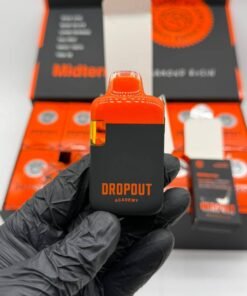
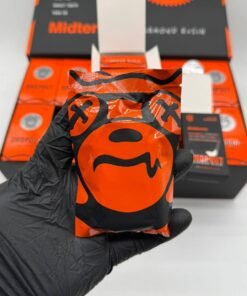
Disposable Vape And Cartridge
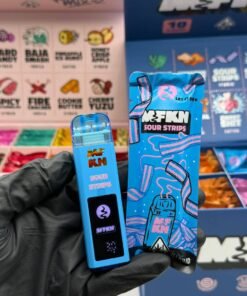
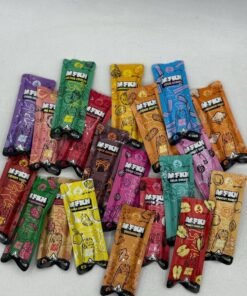
Disposable Vape And Cartridge
Disposable Vape And Cartridge
Disposable Vape And Cartridge
Disposable Vape And Cartridge
Disposable Vape And Cartridge
Reviews
There are no reviews yet.