

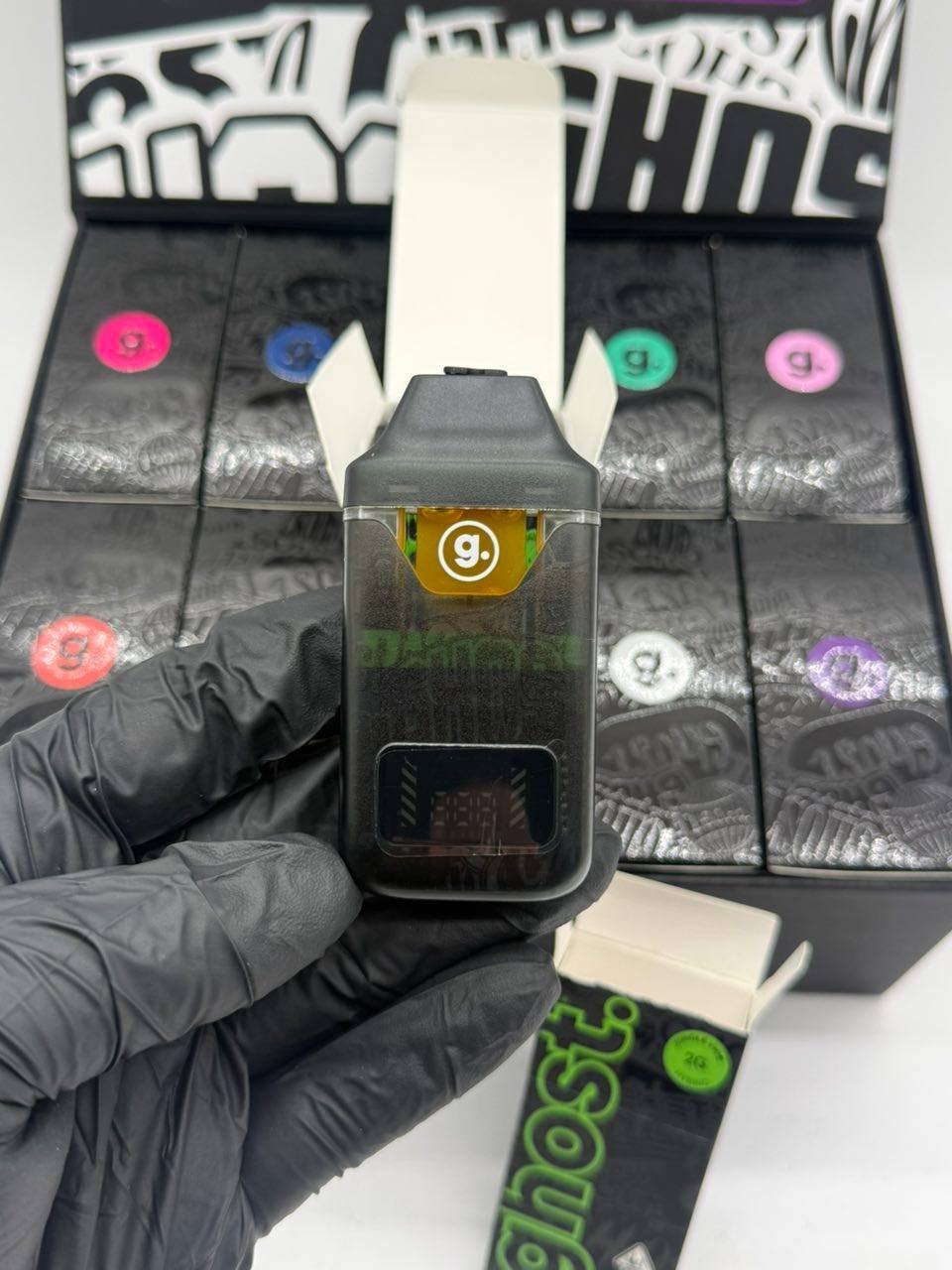
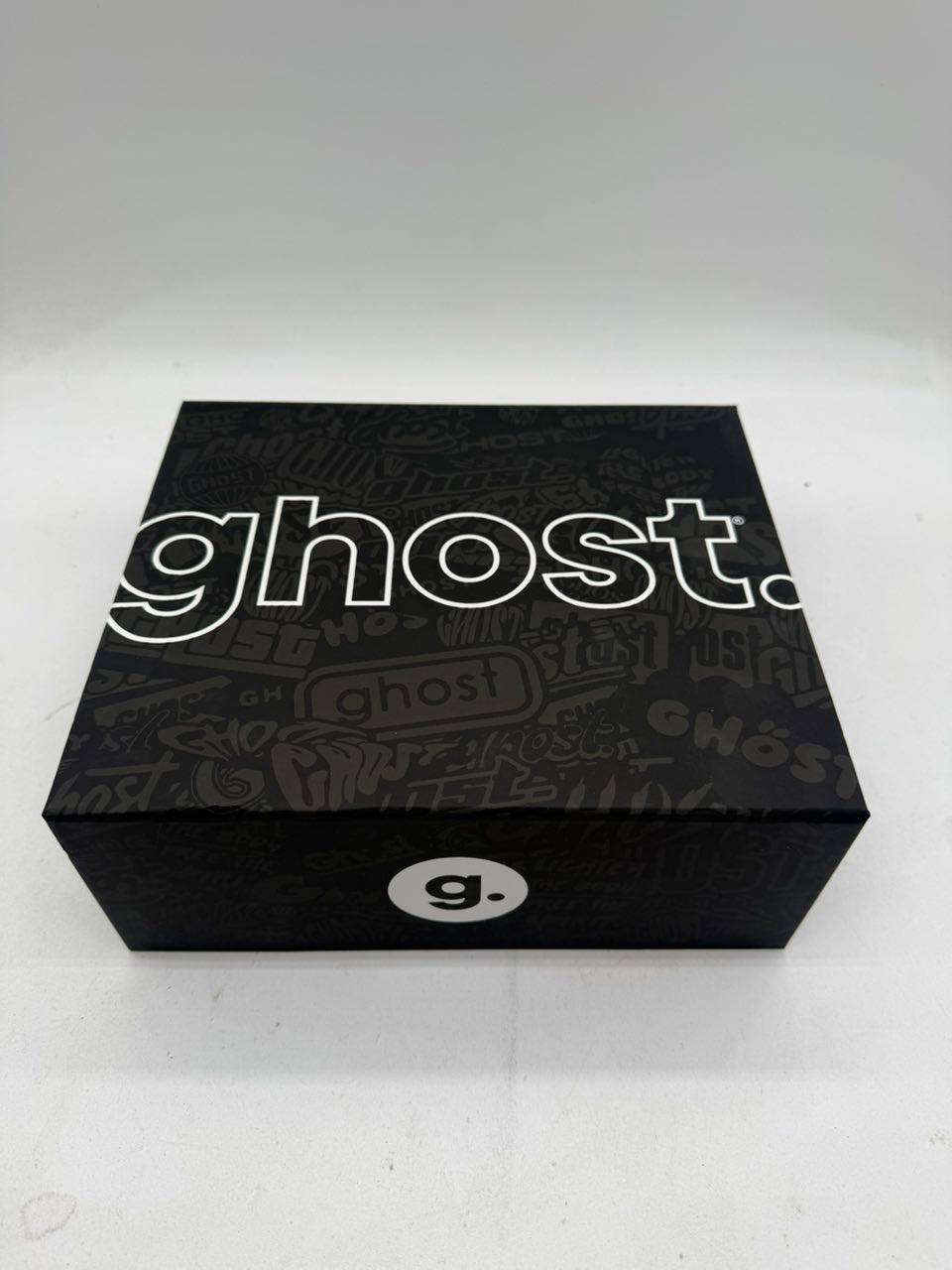
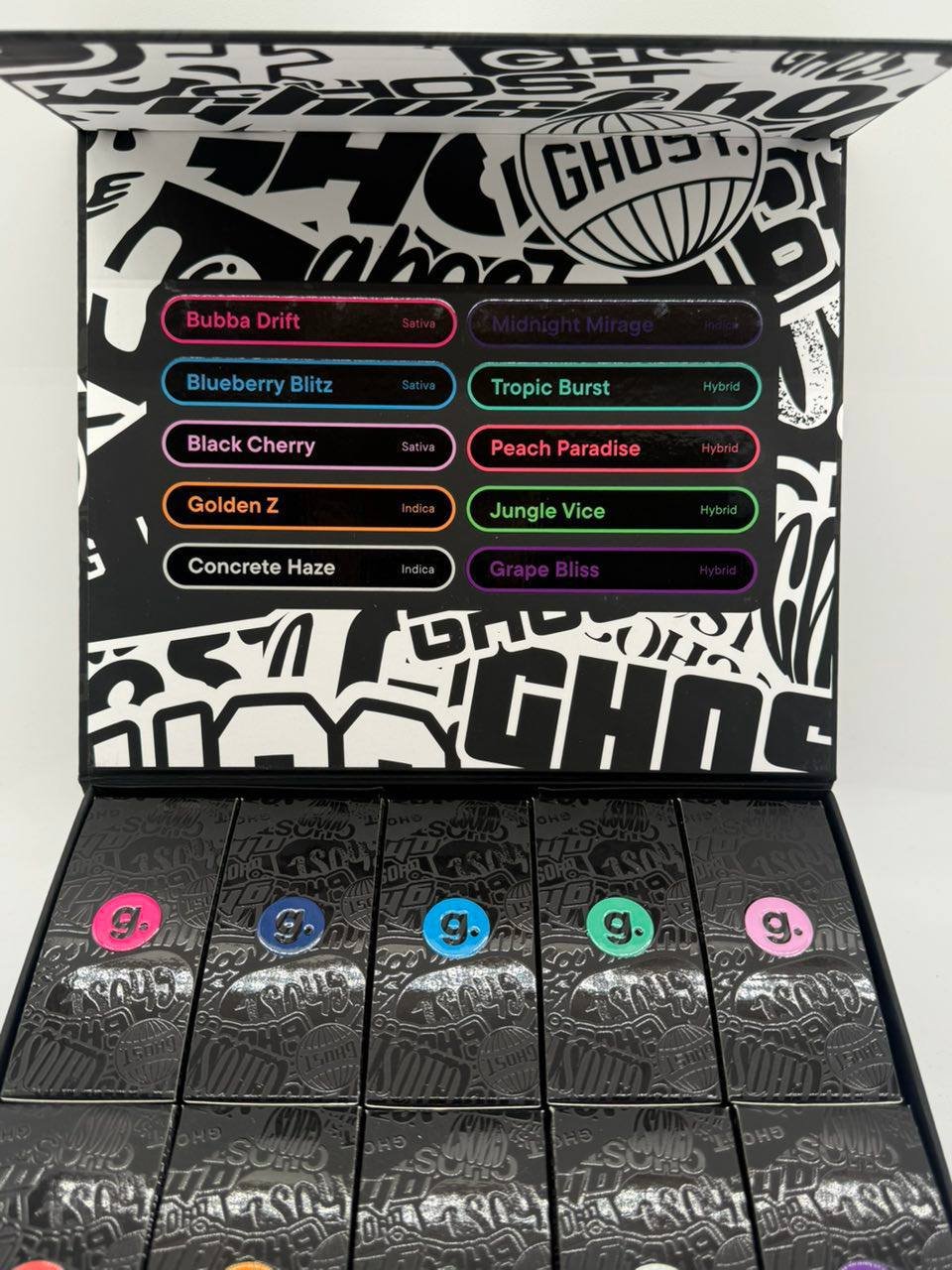
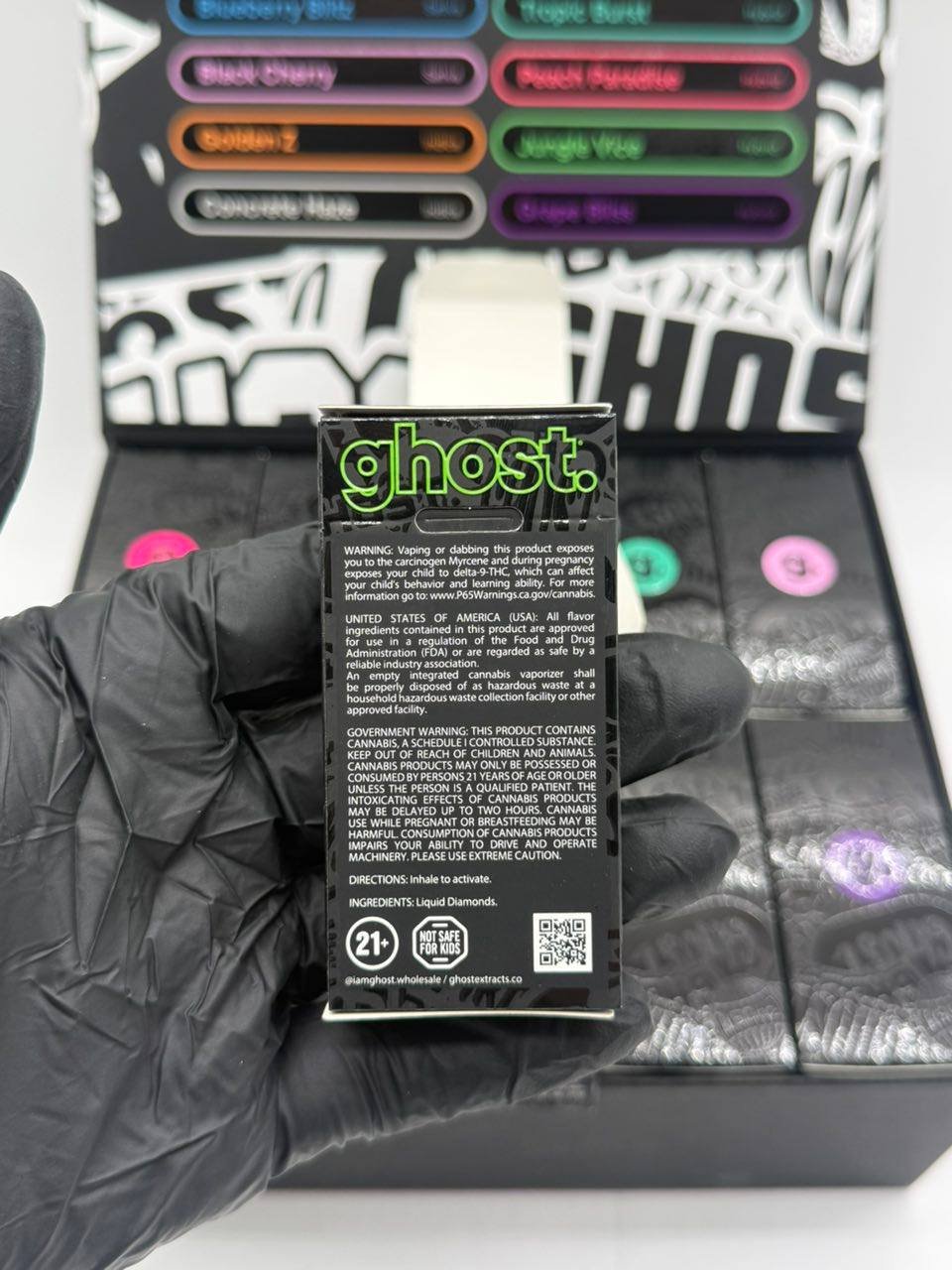
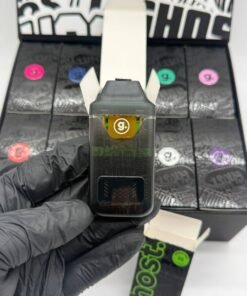
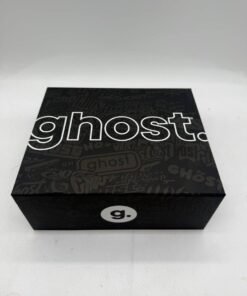
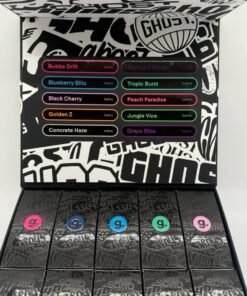
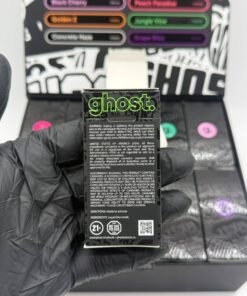
Ghost 2G liquid Diamond


Price range: $25.00 through $1,000.00
In recent years, concentrate terminology has become increasingly specialized within regulated botanical markets. Among these terms, “Ghost 2G liquid Diamond” is commonly used as a classification label rather than a scientific designation. Therefore, products identified as liquid diamonds typically refer to a processed concentrate format that combines crystalline structures with a liquid component.
Ghost 2G Liquid Diamonds Informational Concentrate Format Overview
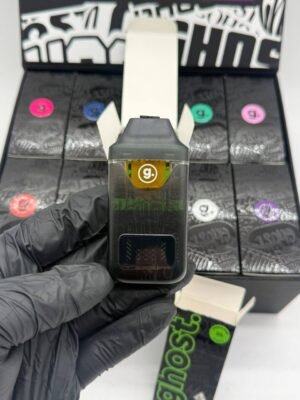
In recent years, concentrate terminology has become increasingly specialized within regulated botanical markets. Among these terms, “” is commonly used as a classification label rather than a scientific designation. Therefore, products identified as liquid diamonds typically refer to a processed concentrate format that combines crystalline structures with a liquid component.
Ghost 2G Liquid Diamonds is positioned within this category as a capacity-classified concentrate product identified for documentation, packaging, and compliance purposes. Instead of serving as promotional language, the product name functions as an inventory and batch-tracking reference.
This overview explains the terminology, structural composition, packaging standards, and regulatory considerations associated with products labeled in this format.
Understanding the “Liquid Diamonds” Terminology
To begin with, the term “liquid diamonds” generally describes a concentrate that includes crystalline formations suspended in a viscous liquid matrix. The crystalline portion is often associated with isolated cannabinoid structures, while the surrounding liquid contains additional naturally derived compounds.
However, the phrase itself is not a standardized scientific category. Instead, it operates as a market identifier that distinguishes this format from other concentrate types such as distillates, live resin extracts, or cured extracts.
Because terminology varies by jurisdiction, documentation systems rely on capacity and batch numbers rather than descriptive marketing phrases. Consequently, regulatory consistency is maintained even when naming conventions differ.
The Significance of the “Ghost 2G liquid Diamond” Capacity Label
The “Ghost 2G liquid Diamond” designation refers to a capacity classification that indicates the measured net content within a sealed container. Capacity labeling supports manufacturing alignment, inventory management, and regulatory reporting.
Moreover, standardized capacity allows packaging dimensions to remain consistent across batches. As a result, storage and distribution planning becomes more efficient.
In regulated environments, capacity labeling must correspond with laboratory documentation. Therefore, the 2G marker functions as a measurable reference rather than a promotional claim.
Structural Composition of Concentrate Formats
Concentrate products labeled as liquid diamonds generally contain two structural elements:
- Crystalline formations
- A surrounding liquid phase
The crystalline portion forms through controlled extraction and refinement processes. Meanwhile, the liquid component is preserved to maintain consistency and stability within the sealed container.
Because structural balance affects packaging stability, manufacturers monitor composition ratios during production. Consequently, quality benchmarks can be maintained across batches.
Extraction and Refinement Processes
Extraction methods vary depending on facility capabilities and regulatory standards. However, controlled extraction environments are typically used to isolate target compounds while removing impurities.
After extraction, refinement processes may include:
- Filtration
- Controlled crystallization
- Temperature-regulated separation
- Purity verification
These steps are conducted according to documented protocols. As a result, compositional consistency is improved before packaging.
Laboratory Verification and Quality Control
Quality control plays a critical role in concentrate production. Therefore, third-party laboratories often conduct analytical testing prior to distribution.
Common testing categories include:
- Composition verification
- Contaminant screening
- Residual solvent analysis
- Moisture content evaluation
Because laboratory reports are linked to batch numbers, traceability remains intact. Consequently, supply chain transparency is supported throughout distribution.
Packaging Design and Sealed Containment
Packaging for concentrate formats must protect structural integrity. Therefore, sealed containers are designed to minimize air exposure and environmental contamination.
Typical packaging features include:
- Airtight sealing mechanisms
- Opaque or UV-resistant materials
- Tamper-evident closures
- Batch labeling
These protective elements reduce the likelihood of degradation during storage. As a result, product stability is maintained under appropriate conditions.
Labeling and Compliance Documentation
In regulated markets, labeling requirements are strictly enforced. Therefore, packaging must display specific information such as:
- Product identifier (Ghost 2G Liquid Diamonds)
- Net capacity (2G)
- Batch or lot number
- Laboratory verification reference
- Required regulatory notices
Label placement follows standardized formatting guidelines. Consequently, compliance inspections can be completed without opening sealed containers.
Storage Guidelines and Environmental Stability
Proper storage conditions are essential for maintaining structural consistency in concentrate formats. For this reason, products are typically stored in cool, dry environments away from direct light.
Temperature fluctuations may affect viscosity balance. Therefore, climate-controlled storage is recommended during warehousing.
Additionally, containers should remain sealed until authorized distribution occurs. As a result, environmental exposure is minimized.
Logistics and Distribution Framework
Concentrate products are distributed through regulated channels. Therefore, authorized entities handle transportation and documentation.
Because packaging dimensions are standardized, cartons can be stacked securely during transit. This structural consistency reduces shipping damage.
Furthermore, barcode systems support automated tracking. Consequently, inventory management becomes more efficient across warehouses.
Regulatory Context and Restricted Distribution
In jurisdictions where concentrate products are regulated, distribution is limited to licensed operators. Therefore, compliance documentation accompanies shipments when required.
Age-restricted policies may apply depending on local laws. As a result, accountability is maintained throughout the retail process.
Additionally, batch tracking systems allow regulators to verify product origin and laboratory testing status. Consequently, oversight mechanisms remain effective.
Environmental Considerations and Disposal
Concentrate packaging often includes glass or specialized materials. For this reason, disposal guidelines may vary by region.
Many jurisdictions encourage responsible waste handling practices. Therefore, packaging should be discarded according to local recycling standards where applicable.
Manufacturers increasingly evaluate sustainable packaging alternatives. As a result, environmental impact may gradually be reduced.
Positioning Within Concentrate Categories
Within the broader concentrate market, liquid diamond formats represent one classification among several extract types. Ghost 2G Liquid Diamonds aligns with this category by combining crystalline structures with a liquid matrix in a capacity-labeled container.
Unlike bulk extract formats, this product is sealed and measured prior to distribution. Consequently, inventory control becomes more straightforward.
Key classification attributes include:
- Capacity designation (2G)
- Sealed containment
- Batch-tracked production
- Laboratory-verified documentation
Because these attributes follow regulatory norms, the product can be cataloged efficiently within authorized systems.
Informational Summary
In summary, the ghost vape pen is a capacity-classified concentrate format identified by structured terminology and regulated packaging standards. Through controlled extraction, documented refinement, laboratory verification, and compliance-focused labeling, the product fits within established regulatory and distribution frameworks.
This overview provides a neutral explanation of classification terminology, structural composition, packaging standards, and compliance systems. As a result, it functions as an informational reference rather than promotional content.
| Prices | GoldenZ, Concrete Haze, Black berry, Blue berry Blitz, Bubba drift, Tropic Burst, Peach paradise, Jungle Vice, Grape Bliss, 5 PACK, 10 PACK, 25 PACK, 50 PACK, 100 PACK MASTER BOX |
|---|
Be the first to review “Ghost 2G liquid Diamond”
Related products


Disposable Vape And Cartridge

Flowers And Prer-Rolls
Disposable Vape And Cartridge
Disposable Vape And Cartridge

Disposable Vape And Cartridge
Flowers And Prer-Rolls
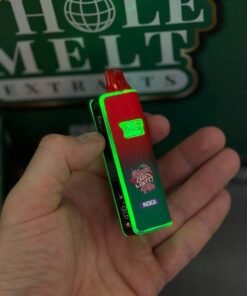
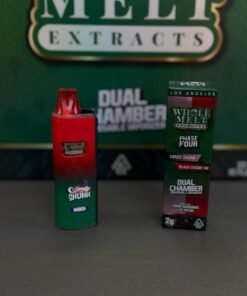
Disposable Vape And Cartridge
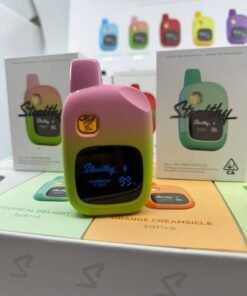
Disposable Vape And Cartridge
Reviews
There are no reviews yet.