

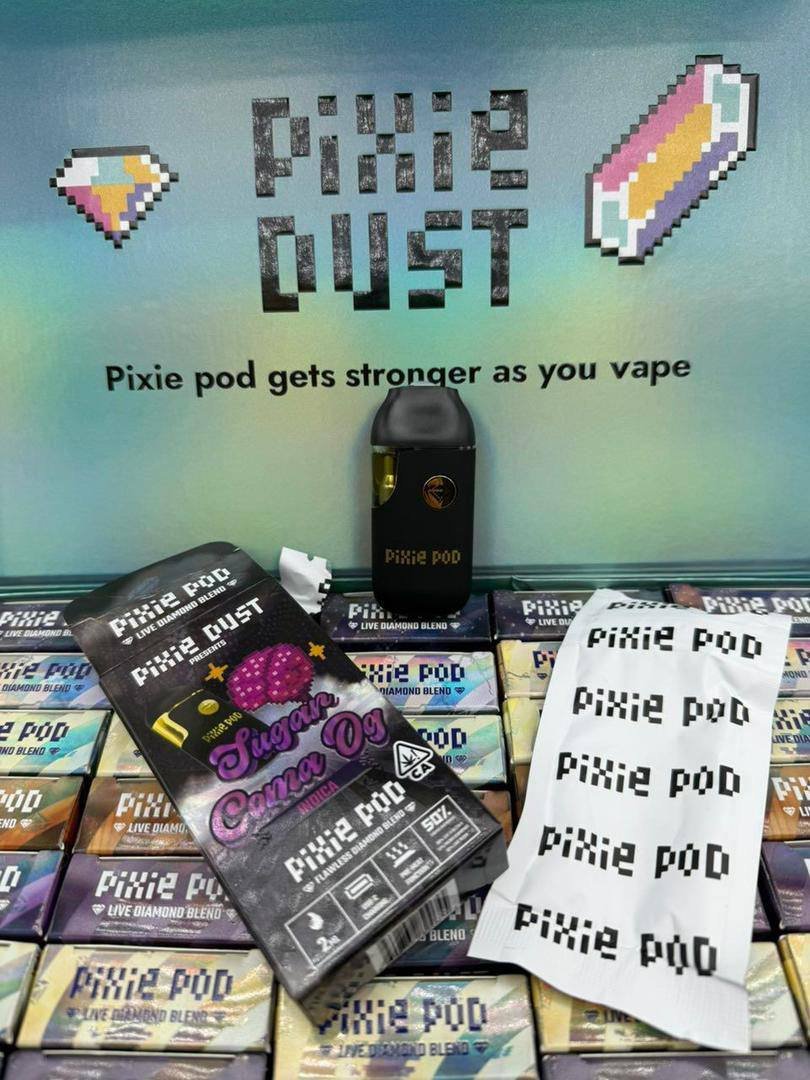
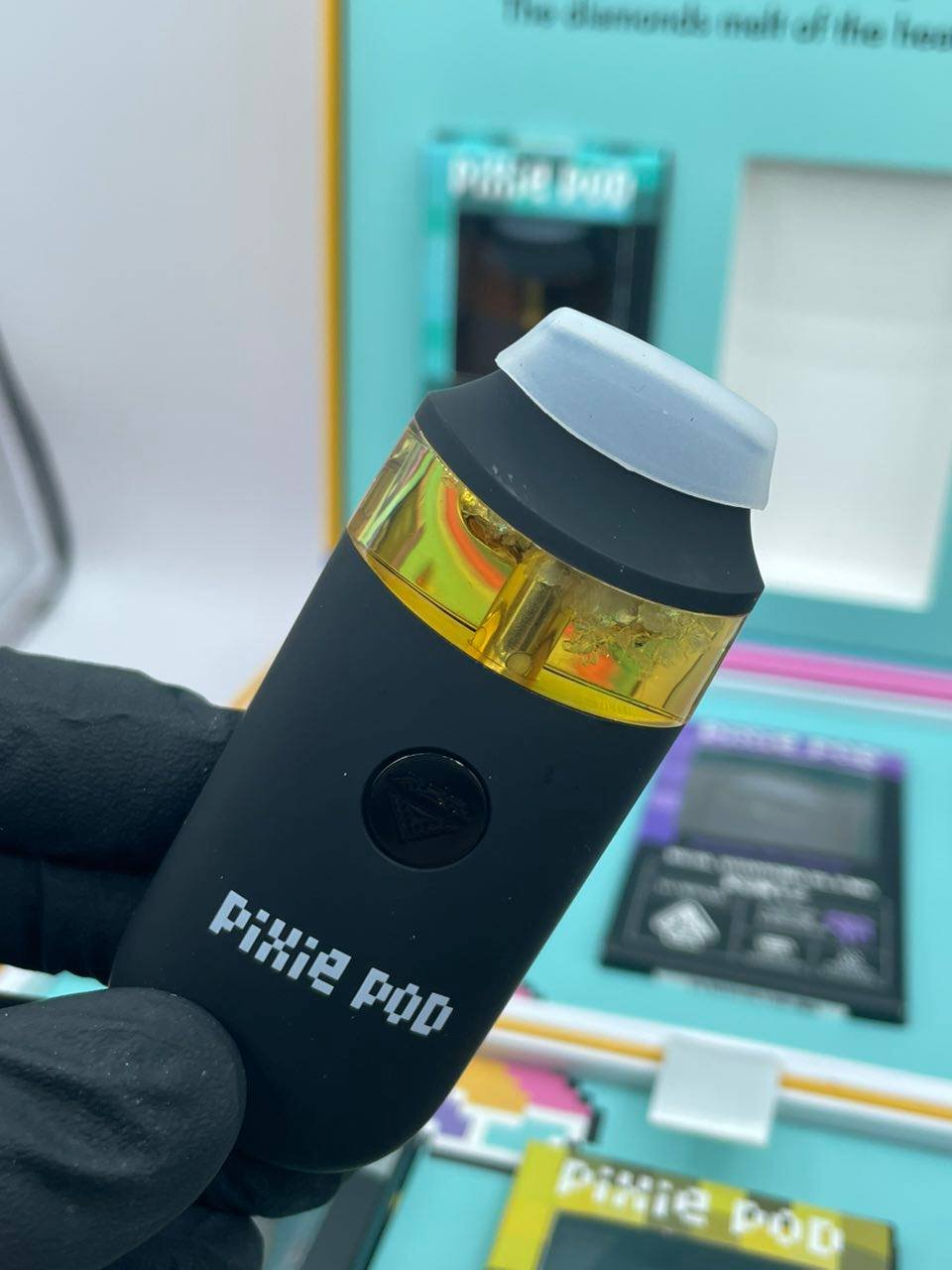
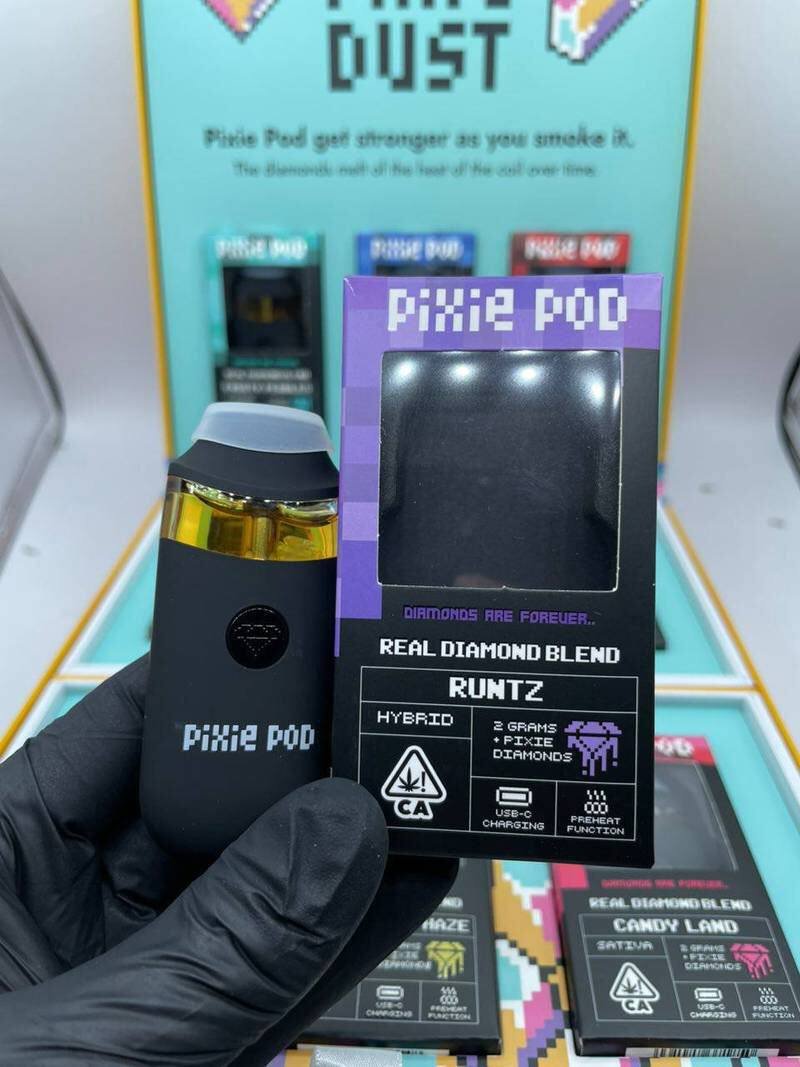
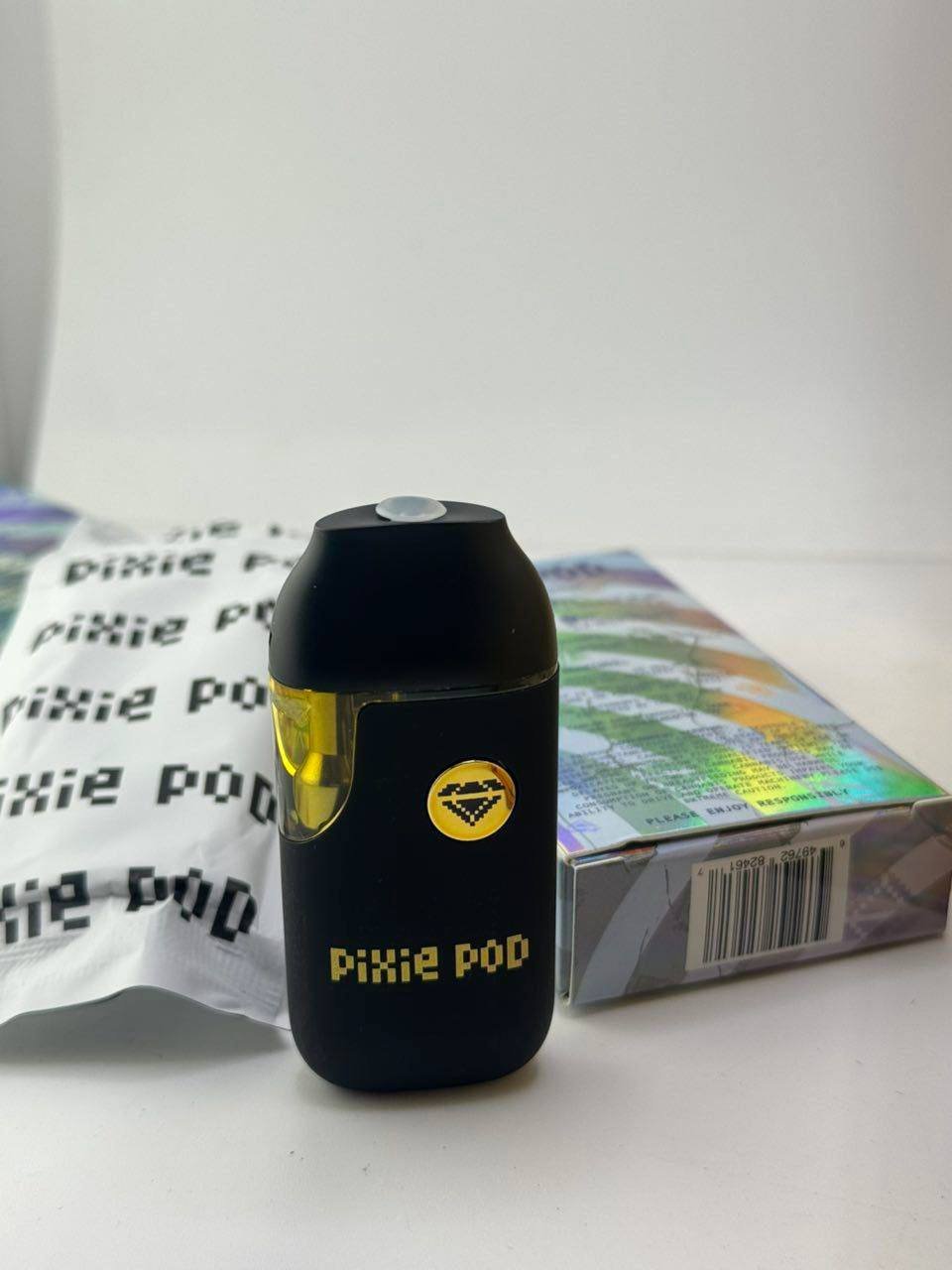
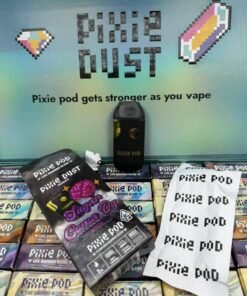
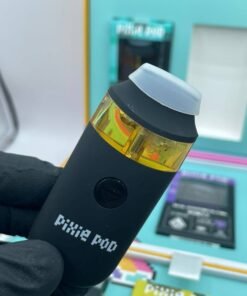
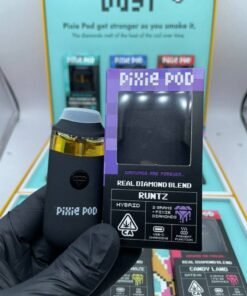
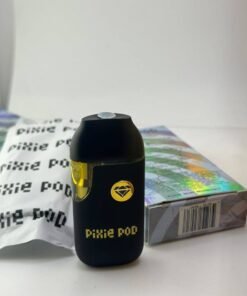
PIXIE PODS 2G LIVE DIAMOND

Price range: $30.00 through $1,000.00
PIXIE PODS 2G LIVE DIAMOND, concentrate terminology has expanded as extraction technologies have evolved. Among these classifications, “live diamonds” is commonly used to describe a specific concentrate structure that combines crystalline formations with a preserved terpene-rich liquid component.
PIXIE PODS 2G LIVE DIAMONDS Informational Product Overview
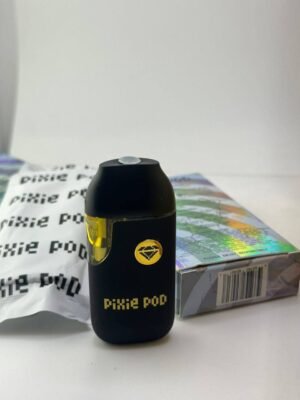
PIXIE PODS 2G LIVE DIAMOND, concentrate terminology has expanded as extraction technologies have evolved. Among these classifications, “live diamonds” is commonly used to describe a specific concentrate structure that combines crystalline formations with a preserved terpene-rich liquid component. Therefore, products labeled under this category are identified by composition format rather than marketing descriptors.
PIXIE PODS 2G LIVE DIAMONDS fits within this framework as a capacity-classified concentrate housed in a pod-based system. Instead of promoting use, this overview explains terminology, structural composition, packaging standards, and regulatory considerations.
Understanding the “Live Diamonds” Terminology
To begin with, the term “pixie pods disposables” typically refers to plant material that is processed shortly after harvest to preserve naturally occurring compounds. Meanwhile, “diamonds” describes crystalline cannabinoid structures that form during controlled refinement.
When combined, “live diamonds” generally indicates:
- Crystalline formations
- A surrounding terpene-rich liquid
- Stabilized composition within a sealed container
Because terminology varies by region, documentation relies primarily on laboratory verification and batch tracking. Consequently, compliance accuracy remains consistent even when naming conventions differ.
The Importance of the “2G” Capacity Label
The “PIXIE PODS 2G LIVE DIAMOND” designation refers to the net content measurement within the sealed pod. Capacity labeling supports standardized packaging dimensions, inventory control, and regulatory documentation.
Moreover, uniform capacity classification simplifies logistics planning. As a result, storage systems can organize inventory efficiently.
In regulated markets, capacity labels must correspond with laboratory analysis reports. Therefore, the 2G marker functions as a measurable specification rather than a promotional element.
Pod-Based Hardware Format Explained
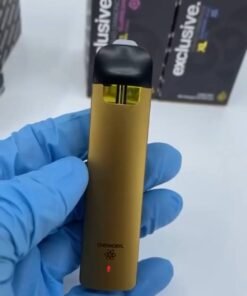
PIXIE PODS 2G LIVE DIAMOND are structured within a pod-based containment system. Unlike bulk concentrate containers, pod systems integrate the concentrate directly into a hardware-compatible enclosure.
Key structural components typically include:
- Sealed pod chamber
- Integrated airflow channel
- Heating interface contact
- Tamper-resistant sealing
Because the pod is designed for compatibility with designated hardware systems, structural alignment is verified during production. Consequently, connection integrity is maintained.
Extraction and Crystallization Process Overview
The formation of crystalline concentrate structures involves controlled extraction and refinement. First, compounds are isolated through a regulated extraction process. Then, crystallization is induced under monitored temperature and pressure conditions.
After crystallization occurs, the remaining liquid fraction is preserved. As a result, the final structure contains both solid crystalline formations and a liquid matrix.
These processes are conducted according to documented procedures. Therefore, batch consistency is improved across production cycles.
Laboratory Verification and Quality Assurance
Quality control measures are implemented before packaging and distribution. Third-party laboratories typically conduct analytical testing.
Testing categories often include:
- Composition verification
- Residual solvent analysis
- Contaminant screening
- Microbial testing
Because laboratory documentation is linked to batch identifiers, traceability is preserved. Consequently, regulatory compliance can be verified at each stage of the supply chain.
Structural Stability Within Pod Containment
Concentrate stability depends on proper containment. Therefore, pod materials are selected to minimize exposure to air and light.
Additionally, sealing mechanisms are designed to prevent leakage. As a result, structural integrity remains intact during storage and transportation.
Pods are filled under controlled conditions. Consequently, contamination risks are minimized during assembly.
Packaging Design and Labeling Requirements
Packaging serves both protective and informational purposes. Boxes are dimensioned to reduce movement during transit.
Labeling typically includes:
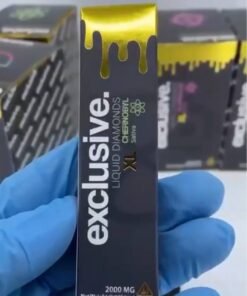
- Product name (PIXIE PODS 2G LIVE DIAMONDS)
- Net capacity (2G)
- Batch or lot number
- Laboratory reference information
- Regulatory notices where required
Information placement follows compliance guidelines. Therefore, inspection procedures can be completed without opening sealed packaging.
Storage Guidelines and Environmental Considerations
Proper storage conditions help maintain concentrate structure. For this reason, pods should be stored in cool, dry environments away from direct sunlight.
Temperature fluctuations may affect viscosity balance. Therefore, climate-controlled storage is recommended during warehousing.
Pods should remain sealed until authorized distribution occurs. As a result, environmental exposure is minimized.
Logistics and Distribution Framework
Concentrate pods are distributed through regulated channels. Therefore, authorized entities manage transportation and documentation.
Because packaging dimensions are standardized, cartons can be stacked securely. Consequently, shipping damage is reduced.
Barcode systems support automated tracking processes. As a result, distribution timelines are optimized across warehouses.
Regulatory Context and Restricted Distribution
In jurisdictions where concentrate products are regulated, distribution is restricted to licensed operators. Therefore, compliance documentation accompanies shipments when required.
Age-restricted handling policies may apply depending on local laws. As a result, accountability is maintained throughout the retail process.
Additionally, batch tracking systems enable regulators to verify origin and testing compliance. Consequently, oversight mechanisms remain effective.
Environmental Responsibility and Disposal Awareness
Pod-based systems often contain specialized materials. For this reason, disposal practices should follow local environmental guidelines.
Many jurisdictions provide electronic or specialized waste collection programs. Therefore, used pods should be handled according to regional regulations.
Manufacturers increasingly evaluate recyclable packaging alternatives. As a result, environmental impact may gradually be reduced.
Positioning Within Concentrate Categories
Within the broader concentrate market, live diamond formats represent one classification among several extract types. PIXIE PODS 2G LIVE DIAMONDS aligns with this classification by combining crystalline structures and liquid components within a pod-based containment system.
Unlike bulk concentrate containers, pod systems emphasize compatibility and standardized measurement. Consequently, inventory management becomes more streamlined.
Key classification attributes include:
- Capacity designation (2G)
- Pod-based containment
- Laboratory-verified batch tracking
- Sealed structural design
Because these attributes follow regulatory norms, the product can be cataloged efficiently within authorized systems.
Informational Summary
In summary, PIXIE PODS 2G LIVE DIAMONDS is a capacity-classified concentrate format housed within a sealed pod-based system. Through controlled extraction, monitored crystallization, laboratory verification, and compliance-focused packaging, the product fits within established regulatory and distribution frameworks.
This overview provides a neutral explanation of concentrate terminology, structural composition, pod containment design, and compliance systems. As a result, it serves as an informational resource rather than promotional content.
| Prices | Runtz, Candy Land 5 pack, 10 pack, 25 pack, 50 pack, 100 pack master box |
|---|
1 review for PIXIE PODS 2G LIVE DIAMOND
Add a review
Related products
Disposable Vape And Cartridge
Disposable Vape And Cartridge
Disposable Vape And Cartridge
Disposable Vape And Cartridge
Disposable Vape And Cartridge
Disposable Vape And Cartridge
Disposable Vape And Cartridge


Disposable Vape And Cartridge
Ed Scott –
Been using the Pixie Pods 2G Live Diamond and it’s pretty good. The flavor is strong and the hits are smooth, plus it feels potent so you don’t need many pulls. It lasts long and the device is easy to use.
Only thing is it can get a little clogged near the end if you take big hits. Overall, good taste, strong effects, and worth it.