

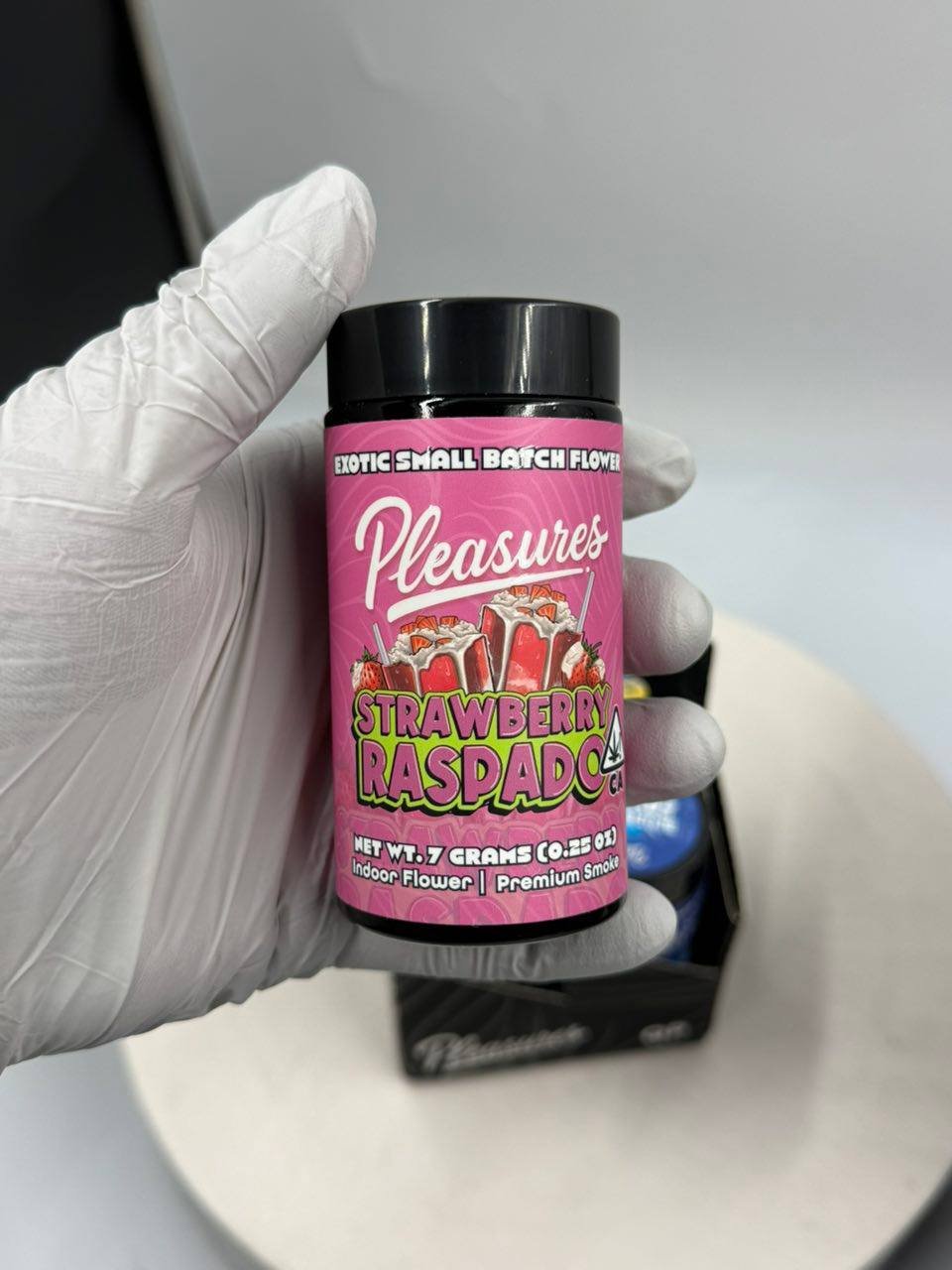
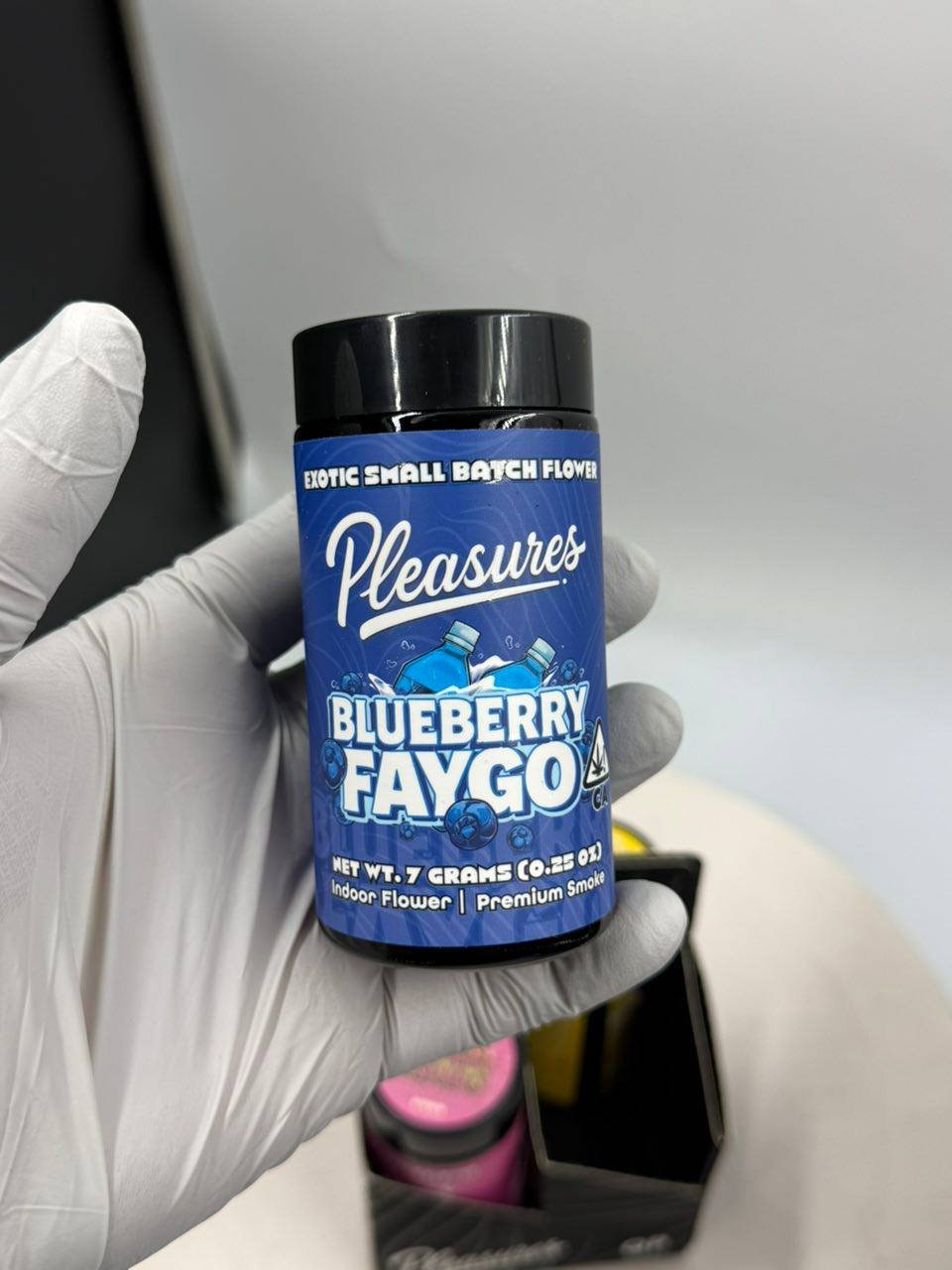
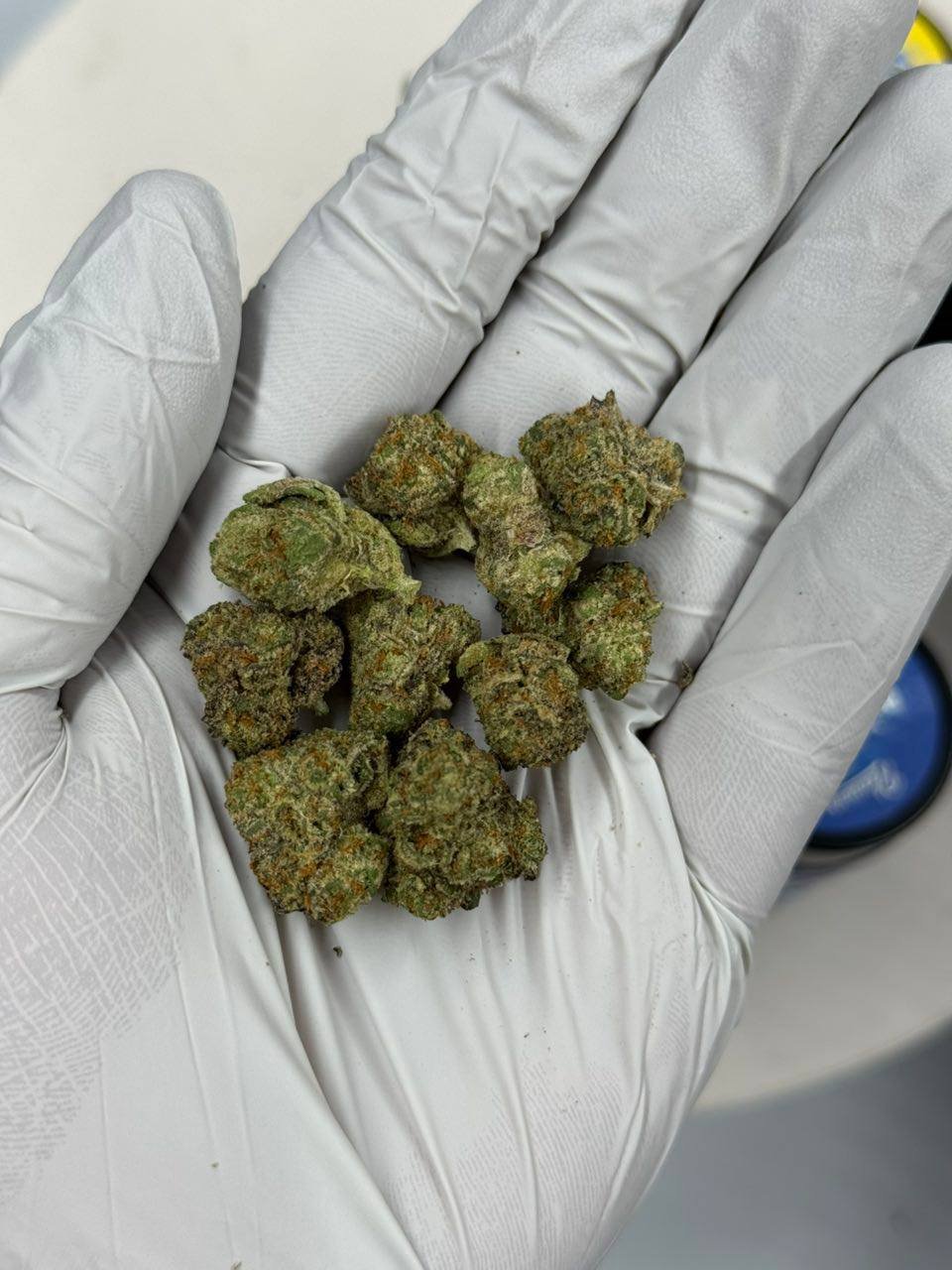
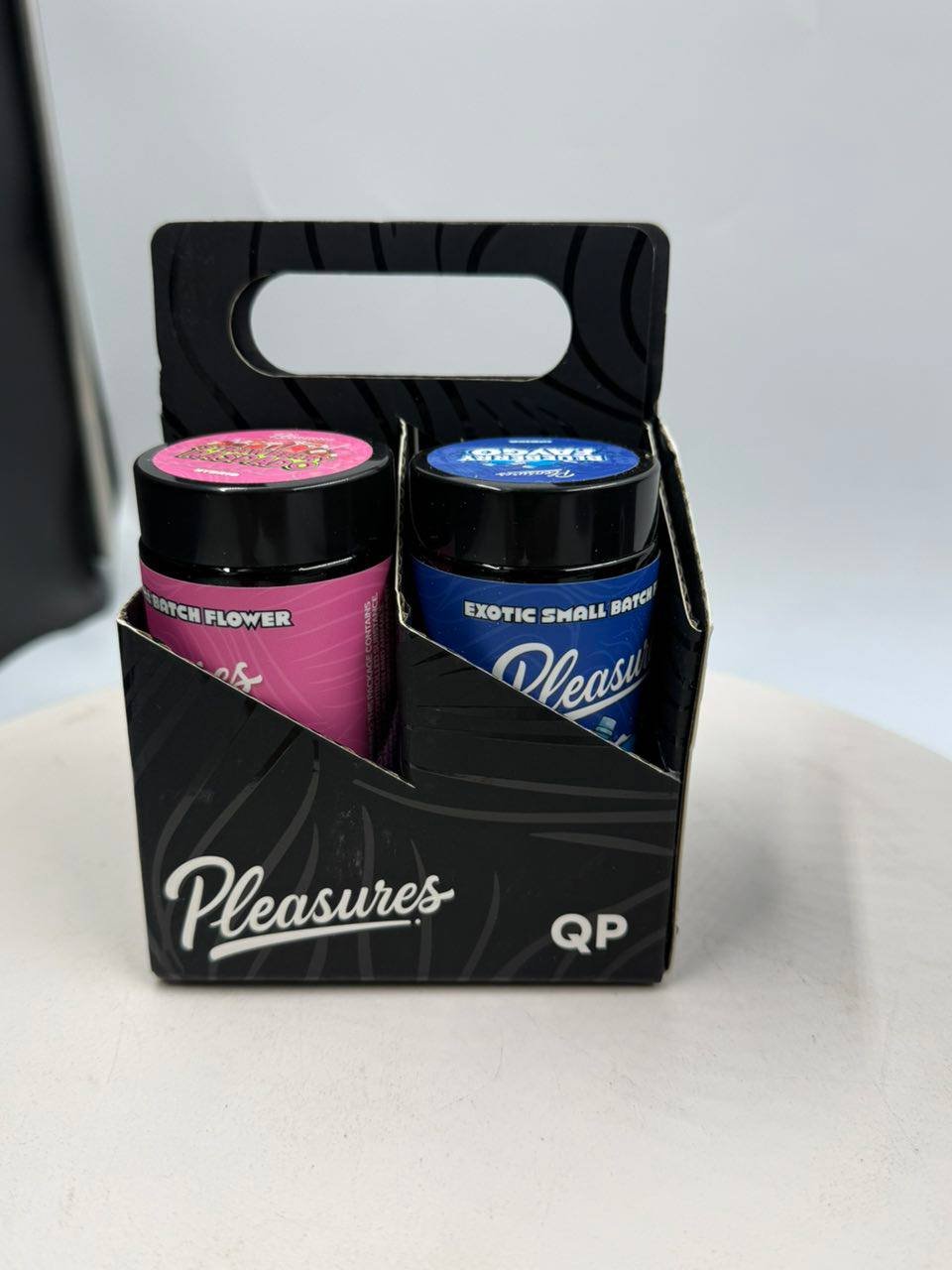
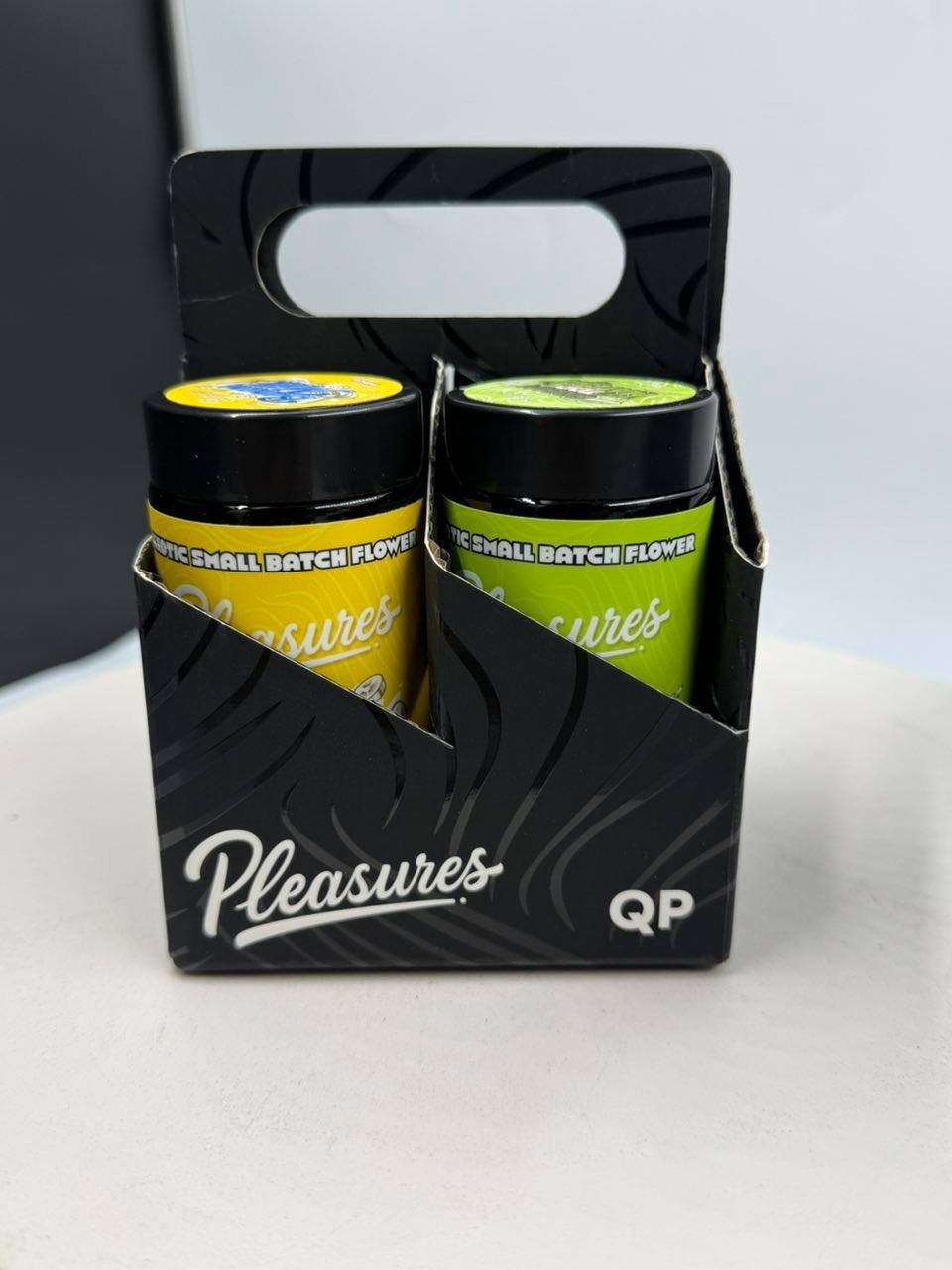
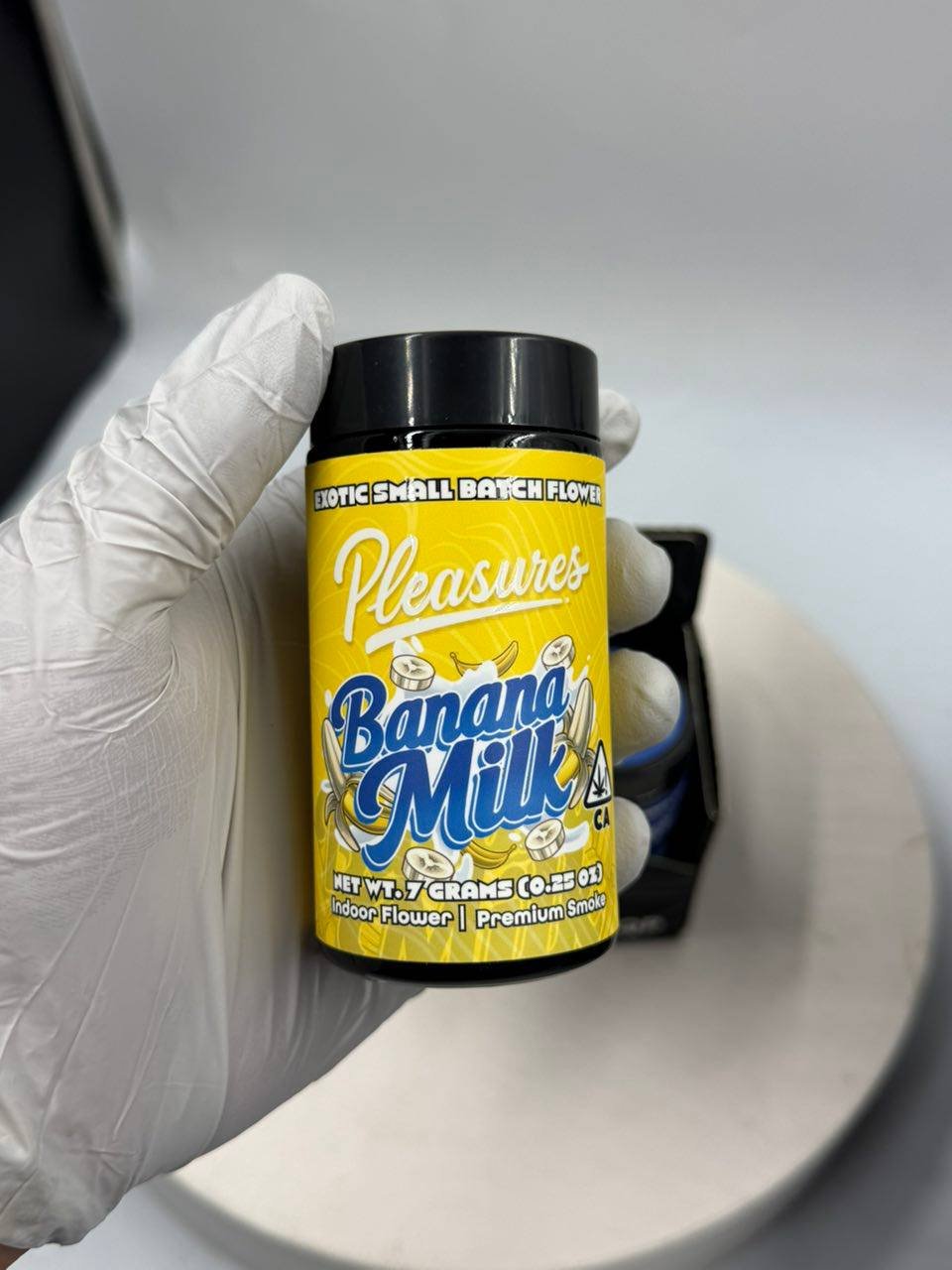
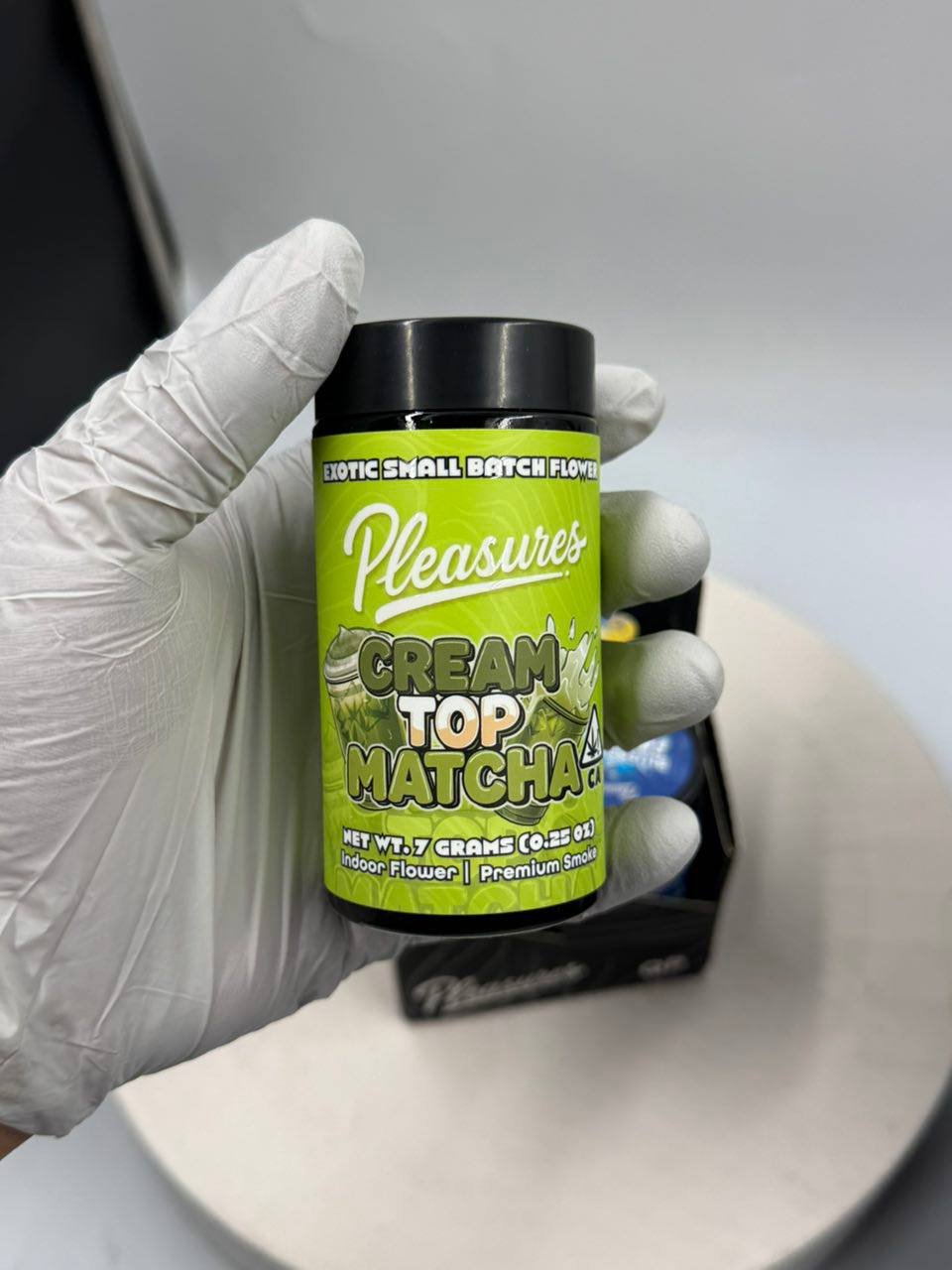
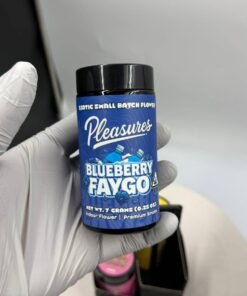
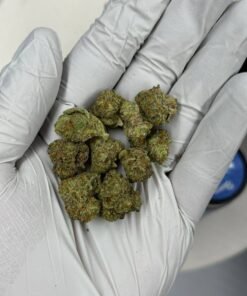
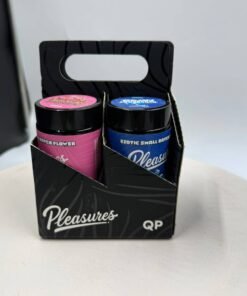
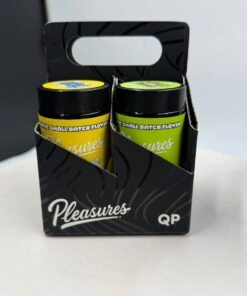
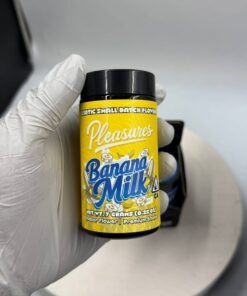
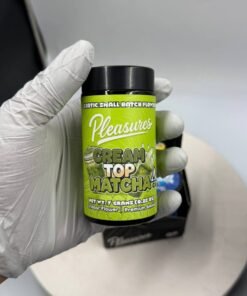
Pleasure exotic small batch flower

Price range: $50.00 through $1,450.00
In recent years, Pleasure exotic small batch flower has increasingly been used as a classification label rather than a scientific one. Generally, it refers to flower varieties that are distinguished by unique genetics, visual characteristics, aromatic complexity, or controlled cultivation methods.
Pleasure exotic small batch flower
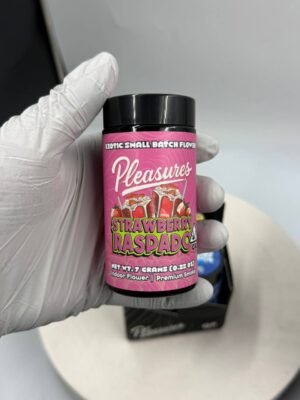
In recent years, pleasure exotic small batch flower has increasingly been used as a classification label rather than a scientific one. Generally, it refers to exotics flower varieties that are distinguished by unique genetics, visual characteristics, aromatic complexity, or controlled cultivation methods. Pleasure Exotic Flower is positioned within this broader category as a named botanical product identified by its appearance, lineage documentation, and handling standards.
Rather than serving as a promotional label, the name functions as an identifier within inventory systems and informational catalogs. Consequently, it allows distributors, researchers, and retailers to reference a consistent botanical profile across storage, labeling, and compliance workflows.
Botanical Context and Plant Classification
From a botanical standpoint, flower products are derived from cultivated flowering plants that are selectively bred for stability and uniformity. These plants are classified using genus and species frameworks, although commercial naming conventions are often applied for ease of identification.
In this context, Pleasure exotic small batch flower is associated with:
- Controlled genetic selection
- Consistent flowering cycles
- Standardized harvesting windows
Because of these factors, classification accuracy is improved. As a result, batch-to-batch variation can be monitored more effectively during cultivation and processing stages.
Genetic Lineage and Cultivation Stability
Genetic lineage plays a critical role in how flower varieties are documented and managed. Therefore, growers typically track parent genetics, propagation methods, and environmental conditions throughout the cultivation cycle.
Pleasure exotic small batch flower is cultivated using stabilized genetic inputs, which means growth traits are selected to remain consistent across multiple harvests. This stability supports:
- Predictable flowering structures
- Uniform bud formation
- Reliable visual markers for identification
Additionally, genetic documentation supports regulatory transparency, which is increasingly required in many jurisdictions.
Visual Characteristics and Physical Structure
Visually, Pleasure exotic small batch flower varieties are often examined for density, coloration, and trichome presence. These attributes are used strictly for identification and quality grading rather than consumer persuasion.
Pleasure Exotic Flower is characterized by:
- Compact flower clusters
- Even structural development
- Consistent coloration patterns
Because these traits are monitored during cultivation, physical anomalies can be identified early. As a result, quality assurance processes become more efficient and repeatable.
Aroma Profile Classification (Non-Sensory Evaluation)
Aromatic compounds are commonly documented using terpene classification systems. These systems do not assess subjective experience but instead catalog naturally occurring aromatic molecules present in the plant also premium smoke.
For informational purposes, pleasure exotic flower profiles are often grouped into general aromatic families such as:
- Floral-leaning compounds
- Earth-associated compounds
- Citrus-classified compounds
Pleasure exotic small batch flower is documented using this type of neutral classification, which allows laboratories and compliance teams to reference chemical groupings without making experiential claims.
Cultivation Environment and Growing Conditions
Environmental control is a defining factor in Pleasure exotic small batch flower cultivation. Therefore, growing conditions are carefully monitored throughout the plant’s lifecycle.
Key environmental controls include:
- Light cycle regulation
- Temperature stabilization
- Humidity management
- Soil or substrate consistency
Because these variables are controlled, plant stress can be minimized. Consequently, structural consistency and botanical integrity are preserved from seedling to harvest.
Harvest Timing and Flower Development
Harvest timing is determined through plant maturity indicators rather than commercial demand. These indicators include flowering stage progression and physical development markers.
Pleasure Exotic Flower is harvested within a defined maturity window to maintain botanical consistency. After harvest, flowers are handled carefully to prevent physical degradation. As a result, structural integrity is maintained during subsequent processing stages.
Drying and Curing Processes
After harvesting, flower products undergo drying and curing processes designed to stabilize moisture content and preserve plant structure. These processes are carried out in controlled environments to prevent contamination or uneven drying.
During curing:
- Moisture levels are gradually reduced
- Airflow is carefully regulated
- Handling is minimized
Because of this approach, exotic smoke shop maintain consistent density and appearance over time.
Once curing is completed, flowers are trimmed to remove excess plant material. Trimming may be done manually or mechanically, depending on operational scale.
Pleasure Exotic Flower is prepared using standardized trimming protocols so that final presentation remains uniform. As a result, inventory sorting and grading become more straightforward for downstream partners.
Packaging Standards and Labeling
Packaging serves both protective and informational functions. Therefore, materials are selected to shield the flower from light exposure, humidity changes, and physical damage.
Packaging typically includes:
- Product identifier name
- Batch or lot number
- Net weight classification
- Required regulatory notices
Label placement is standardized so that information can be accessed without opening the package. Consequently, compliance checks are simplified during storage and transport.
Storage and Shelf-Life Considerations
Proper storage conditions are essential for maintaining botanical integrity. For this reason, flower products are stored in cool, dry, and dark environments.
When storage guidelines are followed:
- Structural degradation is reduced
- Moisture balance remains stable
- Packaging integrity is preserved
As a result, shelf-life expectations are more predictable across distribution channels.
Quality Control and Laboratory Documentation
Quality control protocols often involve third-party laboratory analysis. These analyses focus on composition verification and contaminant screening, not on subjective outcomes.
Documentation typically includes:
- Botanical composition reports
- Moisture content verification
- Microbial screening results
Because these records are maintained, transparency is improved throughout the supply chain.
Regulatory and Compliance Context
Regulatory frameworks vary widely by region. Therefore, flower products are documented and distributed in accordance with local laws and handling requirements.
Pleasure exotic small batch flower positioned as a regulated botanical product, meaning:
- Distribution is restricted to authorized entities
- Age-gated handling policies apply
- Record-keeping is mandatory
These controls help ensure responsible and traceable distribution.
Environmental Responsibility and Waste Management
Environmental considerations are increasingly important in botanical industries. As a result, cultivation and packaging processes are evaluated for sustainability opportunities.
Responsible practices may include:
- Water usage optimization
- Energy-efficient lighting systems
- Recyclable or minimal packaging
Additionally, plant waste is managed according to agricultural and environmental guidelines.
Market Classification Without Promotion
From a market standpoint, exotic flower labels function primarily as cataloging tools. They help distinguish one botanical profile from another within inventories and databases.
Pleasure Exotic Flower fits into this framework as a distinctly named flower variety documented for reference, storage, and compliance purposes rather than promotional appeal.
Informational Summary
In summary, Pleasure exotic small batch flower can be understood as a cultivated botanical flower product defined by controlled genetics, standardized cultivation, and documented handling practices. Through regulated growing conditions, careful harvesting, and compliant packaging, the product maintains consistency across its lifecycle.
This overview avoids promotional language while providing a detailed, SEO-structured explanation suitable for educational or informational use. As a result, readers gain a clear understanding of how the flower is classified, prepared, and managed within regulated systems.
| Prices | Banana rasdado, Blueberry Faygo, Cream top matcha, 2 jars, 5 jars, 10 jars, 15 jars |
|---|
Be the first to review “Pleasure exotic small batch flower”
Related products
Flowers And Prer-Rolls

Flowers And Prer-Rolls
Flowers And Prer-Rolls
Flowers And Prer-Rolls
Flowers And Prer-Rolls

Flowers And Prer-Rolls

Flowers And Prer-Rolls


Flowers And Prer-Rolls
Reviews
There are no reviews yet.