

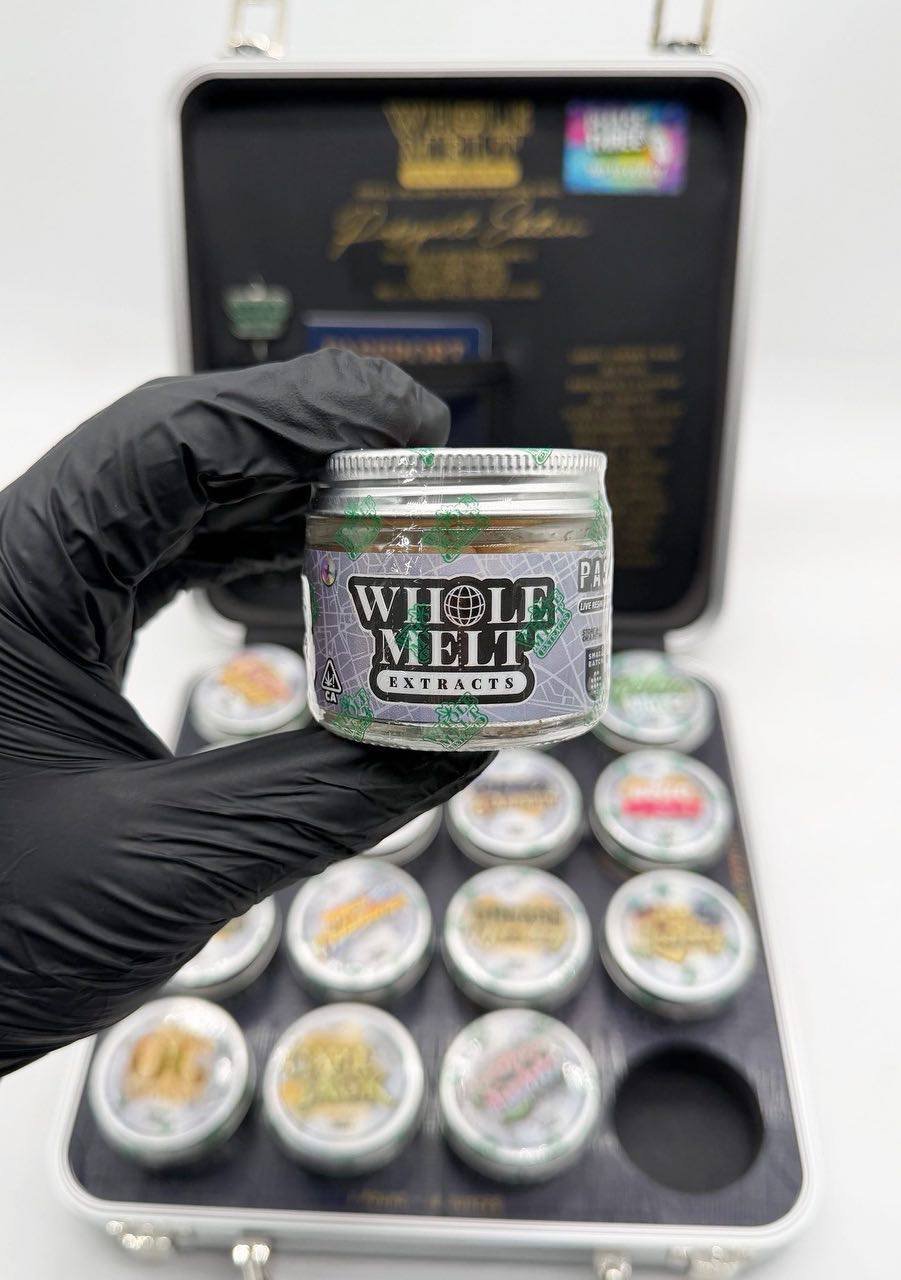
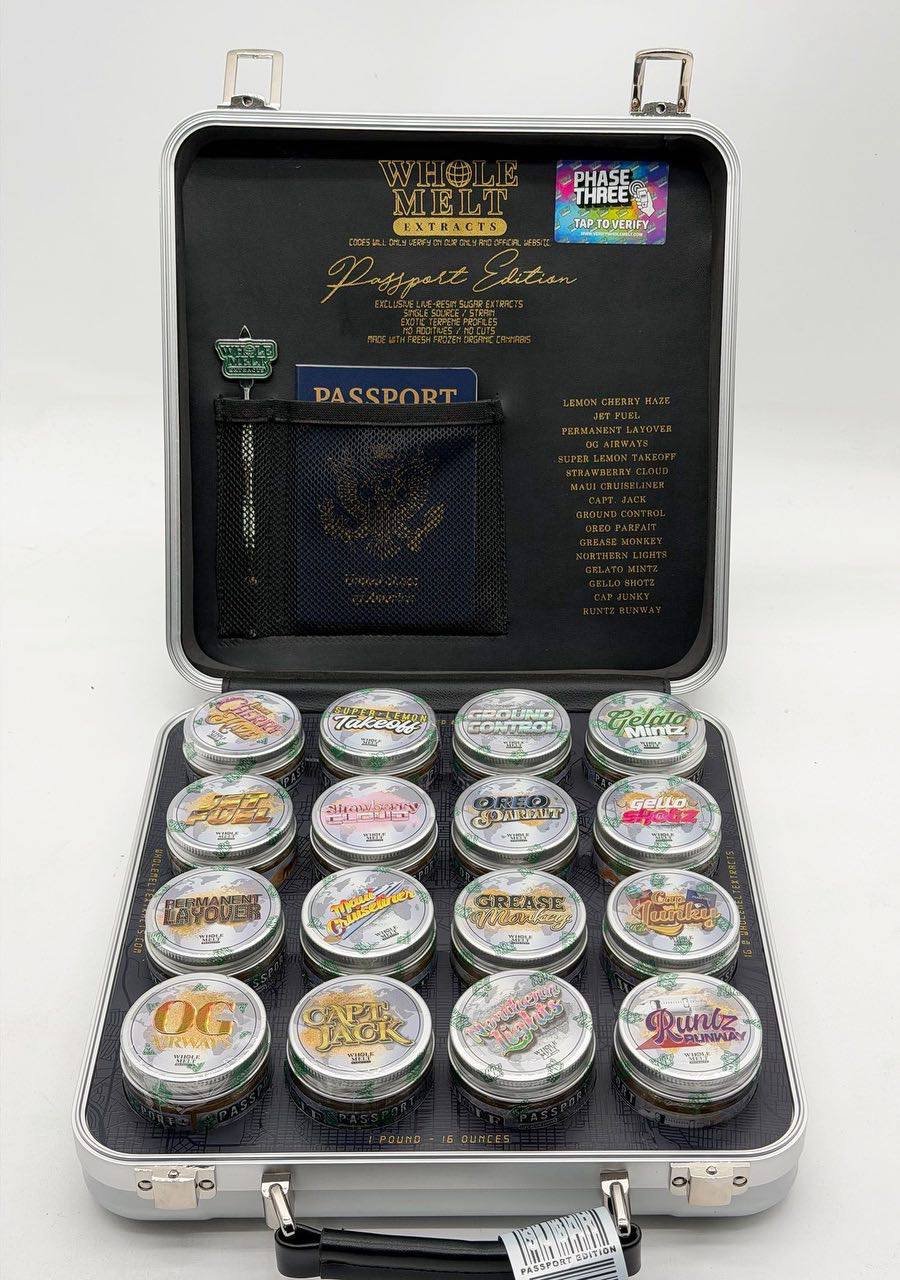
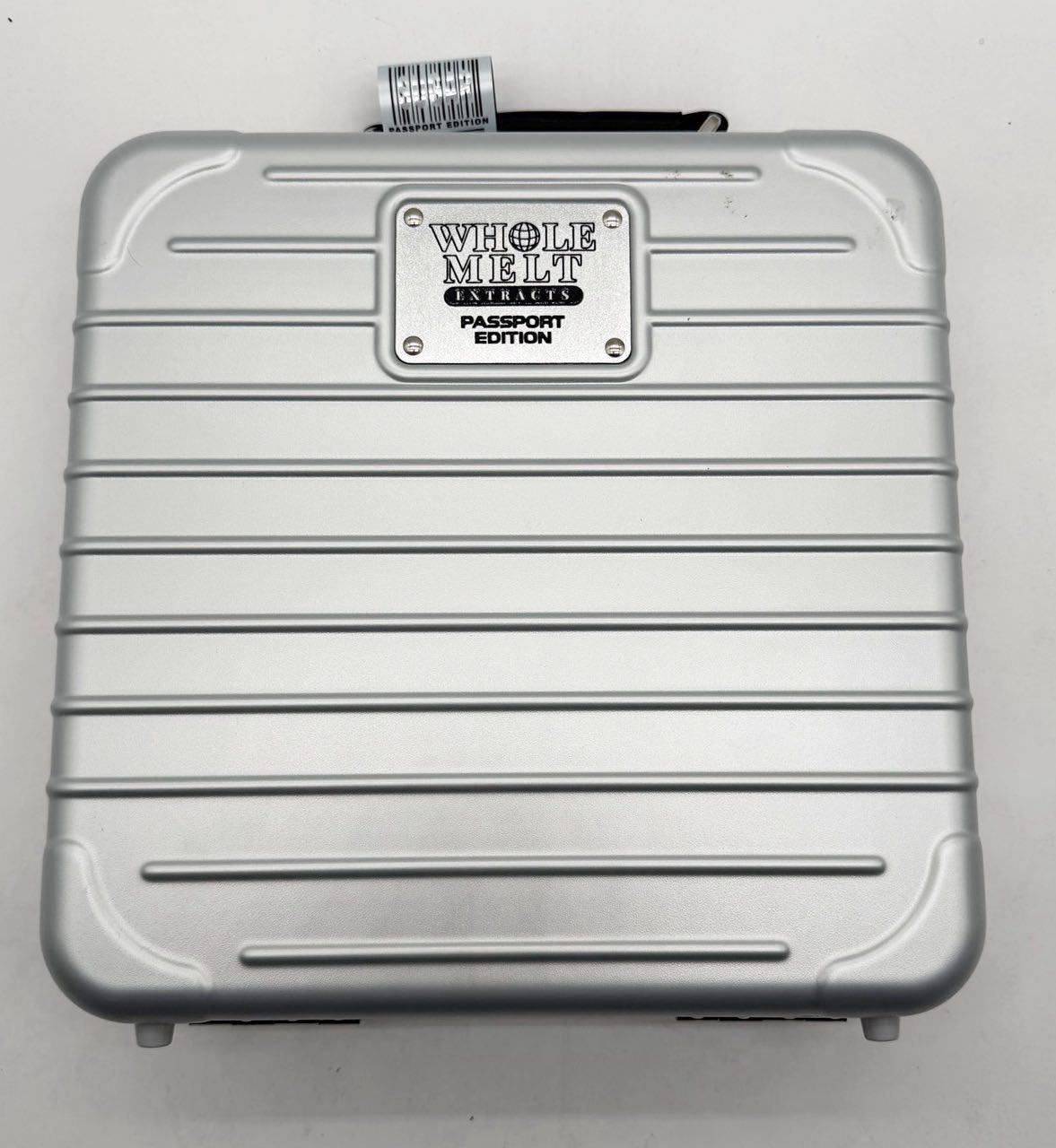
Whole Melt Live Resin Sugar

Price range: $135.00 through $2,200.00
In regulated botanical markets, concentrate terminology has evolved to reflect extraction methods, texture classifications, and preservation techniques. Among these categories, “Whole Melt Live Resin Sugar” refers to an extract produced from plant material that is processed shortly after harvest.
WHOLE MELTS LIVE RESIN SUGAR Informational Concentrate Classification Overview
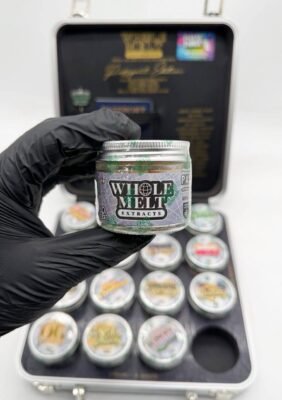
In regulated botanical markets, concentrate terminology has evolved to reflect extraction methods, texture classifications, and preservation techniques. Among these categories, “Whole Melt Live Resin Sugar” refers to an extract produced from plant material that is processed shortly after harvest. Meanwhile, “sugar” describes a granular or crystalline texture that develops during refinement. Therefore, when combined, the term “live resin sugar” identifies a concentrate format characterized by preserved compounds and a grain-like structural consistency.
WHOLE MELTS LIVE RESIN SUGAR functions as a structured product identifier used for batch tracking, compliance labeling, and inventory management. Instead of serving as promotional language, the name reflects concentrate classification terminology recognized within regulated supply systems.
This overview explains extraction context, texture development, laboratory verification, packaging standards, storage conditions, and regulatory frameworks associated with live resin sugar concentrates.
Understanding the “Live Resin” Extraction Process
To begin with, live resin extraction relies on freshly harvested plant material that is preserved shortly after collection. Typically, the harvested material is flash-frozen to maintain naturally occurring compounds. As a result, compound preservation can be optimized prior to extraction.
The extraction process generally includes:
- Immediate post-harvest freezing
- Controlled solvent or mechanical extraction
- Filtration and refinement
- Residual solvent removal
Because temperature control remains critical during this process, facilities document environmental variables carefully. Consequently, extraction consistency can be maintained across production batches.
Live resin differs from cured extracts because it begins with preserved fresh material rather than dried flower. Therefore, the chemical composition profile may vary depending on cultivation and processing variables.
The Meaning of “Sugar” in Concentrate Texture Classification
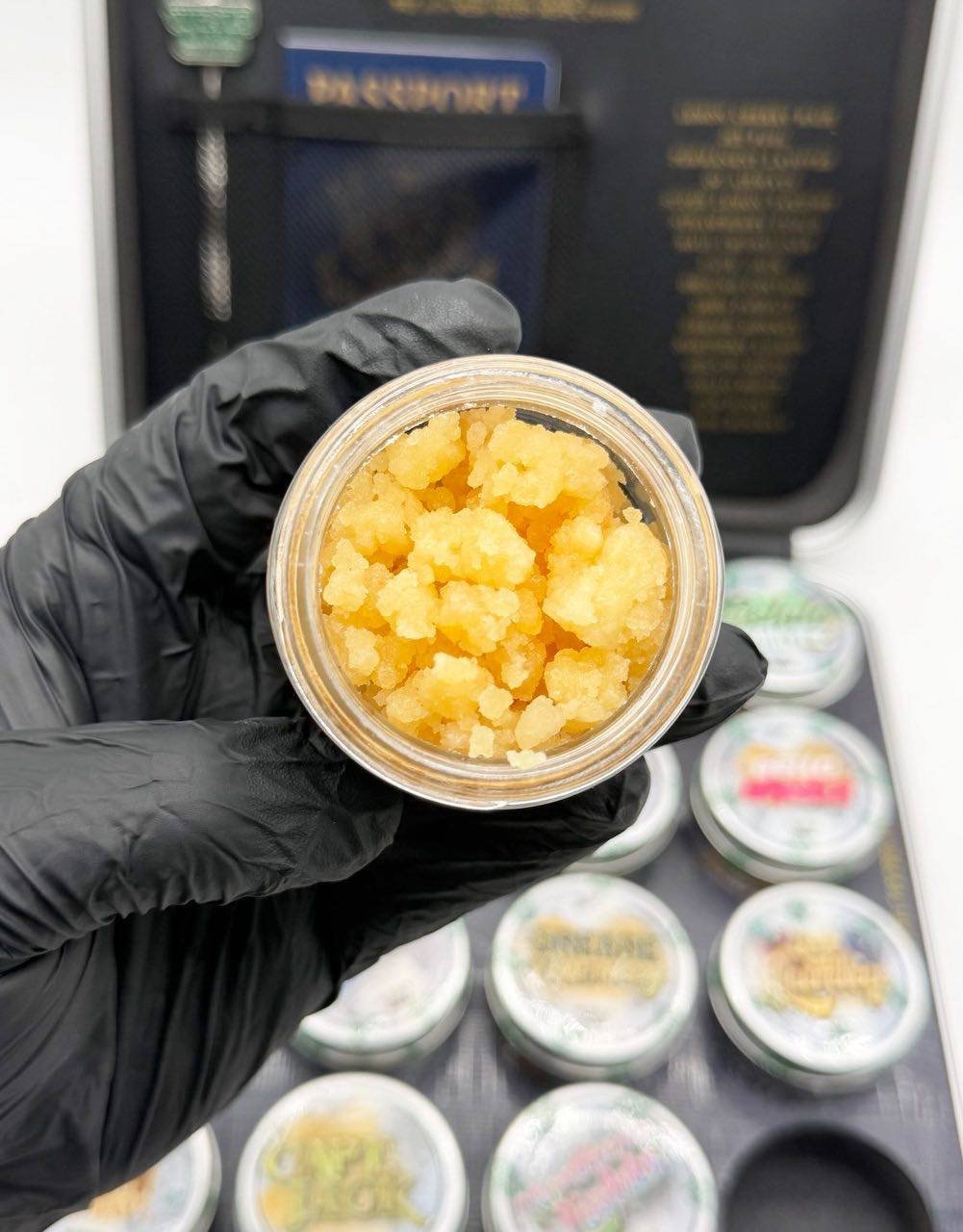
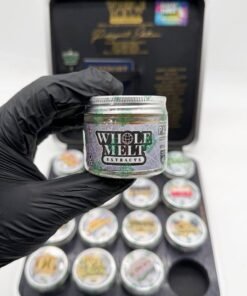
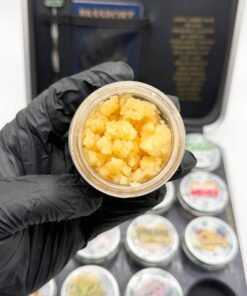
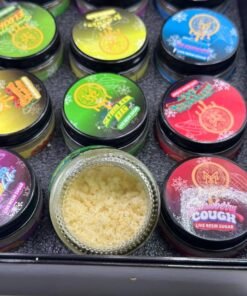
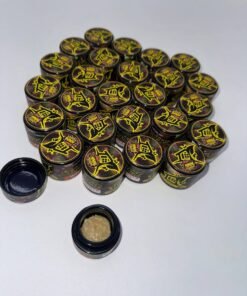
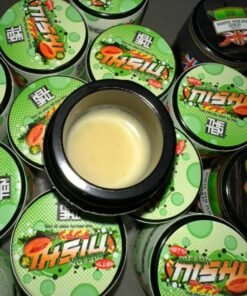
The term “Whole Melt Live Resin Sugar ” refers to a specific concentrate texture that resembles fine, moist crystals. This texture forms during controlled crystallization and separation phases following extraction.
Sugar texture development typically involves:
- Controlled temperature stabilization
- Natural separation of crystalline structures
- Gradual thickening of remaining liquid components
Because crystallization occurs under monitored conditions, texture consistency can be achieved across batches. As a result, classification accuracy improves within documentation systems.
Unlike smooth distillates, sugar concentrates exhibit visible granular formations. Consequently, they are categorized separately within inventory and regulatory frameworks.
Structural Composition and Stability
Live resin sugar concentrates consist of two primary structural components:
- Crystalline cannabinoid formations
- A terpene-rich liquid fraction
These elements coexist within a semi-viscous matrix. Therefore, structural stability depends on balanced moisture levels and controlled storage conditions.
If exposed to excessive heat or air, compositional changes may occur. For this reason, sealed containment plays a critical role in preserving texture and composition.
Manufacturing Documentation and Batch Control
Production facilities operate under documented standard operating procedures (SOPs). First, raw material intake is recorded. Then, extraction parameters are logged during processing.
After refinement, concentrate batches receive unique identifiers. As a result, traceability remains intact from harvest to final packaging.
Batch documentation typically includes:
- Harvest source data
- Extraction method reference
- Refinement conditions
- Laboratory submission records
- Packaging date
Because regulatory agencies rely on documentation rather than branding language, thorough recordkeeping remains essential.
Laboratory Testing and Analytical Verification
Before distribution approval, live resin sugar products undergo third-party laboratory testing. For this reason, independent laboratories analyze composition and safety markers.
Testing categories often include:
- Cannabinoid profile analysis
- Terpene profile identification
- Residual solvent screening
- Heavy metal testing
- Microbial contamination analysis
- Pesticide screening
Laboratory reports are linked to batch identifiers. Consequently, regulators can confirm compliance efficiently.
Because testing supports supply chain transparency, analytical documentation accompanies shipments where required.
Packaging Standards and Protective Measures
Packaging protects concentrate integrity and prevents contamination. Therefore, manufacturers select container materials that minimize light exposure and air contact.
Common packaging features include:
- Airtight sealing lids
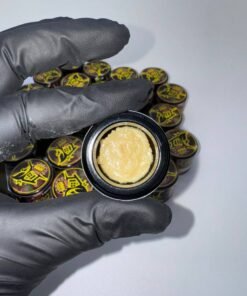
- Opaque or UV-resistant jars
- Tamper-evident closures
- Compliance labeling
These protective measures reduce environmental impact on texture and composition. As a result, stability is preserved during storage and transport.
Labeling Requirements in Regulated Markets
Regulated jurisdictions require specific information to appear clearly on packaging. Therefore, labels commonly include:
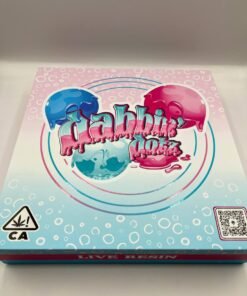
- Product name (WHOLE MELTS LIVE RESIN SUGAR)
- Net weight
- Batch or lot number
- Laboratory testing reference
- Manufacturing or packaging date
- Regulatory notices where mandated
Information placement follows jurisdictional formatting standards. Consequently, compliance inspections can occur without opening sealed containers.
Storage Conditions and Environmental Control
Proper storage conditions help maintain sugar texture stability. For this reason, concentrate products should be stored in cool, dry environments away from direct sunlight.
Excessive heat may alter viscosity balance. Therefore, climate-controlled warehousing is recommended during distribution.
Additionally, containers should remain sealed until authorized handling occurs. As a result, air exposure is minimized.
Distribution and Supply Chain Oversight
Whole Melt Live Resin Sugar products move through regulated distribution channels. Therefore, licensed operators manage transportation and documentation requirements.
Inventory systems frequently integrate barcode tracking and digital logging. Consequently, batch-level traceability remains accessible across warehouses.
Because packaging dimensions are standardized, stacking and shipment efficiency improve. As a result, transit-related damage risks decrease.
Regulatory Framework and Compliance Context
In jurisdictions where concentrate products are regulated, distribution is limited to licensed entities. Therefore, compliance documentation accompanies shipments when required.
Age-restricted policies may apply depending on regional legislation. Consequently, accountability is maintained throughout the retail process.
Regulators prioritize laboratory analysis reports and documented production logs over descriptive marketing language. As a result, objective compliance standards guide oversight decisions.
Environmental Responsibility and Disposal Considerations
Concentrate packaging may contain glass or specialized composite materials. For this reason, disposal practices should align with local recycling guidelines where available.
Manufacturers increasingly evaluate sustainable packaging alternatives. Therefore, environmental impact reduction strategies continue to evolve.
Consumers are encouraged to follow regional waste management policies when discarding empty containers. As a result, responsible disposal supports environmental stewardship.
Positioning Within Concentrate Categories
Within the broader concentrate classification system, live resin sugar represents a texture-specific category derived from preserved plant material. WHOLE MELTS LIVE RESIN SUGAR aligns with this classification through structured terminology, documented extraction procedures, laboratory verification, and compliance-based packaging standards.
Unlike distillate formats, live resin sugar maintains visible crystalline granules within a semi-liquid matrix. Consequently, it occupies a distinct inventory category within regulated systems.
Key classification attributes include:
- Fresh material extraction origin
- Granular sugar-like texture
- Laboratory-verified composition
- Batch-based documentation
- Sealed protective packaging
Because these attributes align with regulatory frameworks, the product can be cataloged efficiently within authorized systems.
Informational Summary
In summary, WHOLE MELTS LIVE RESIN SUGAR is a concentrate classification defined by fresh material extraction methods and granular sugar-like texture formation. Through controlled processing, documented crystallization, laboratory verification, compliance-focused labeling, and regulated distribution channels, the product fits within established oversight systems.
This overview provides a neutral explanation of live resin terminology, sugar texture classification, extraction procedures, packaging standards, laboratory testing requirements, and regulatory considerations. Therefore, it functions as an informational resource rather than promotional content.
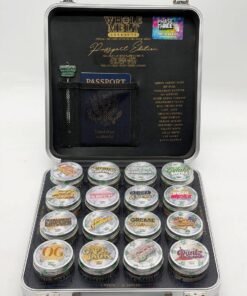
| Prices | Gelato Mintz, Runtz Runway, Lemon Cherry Haze, OG Airways, Super Lemon Takeoff, Grease Monkey, 1 pack, 3 pack, 6 pack, 8 pack, 10 pack, 16 pack master box |
|---|
1 review for Whole Melt Live Resin Sugar
Add a review
Related products
Concentrates
Concentrates
Concentrates
Concentrates
Concentrates


Concentrates

Concentrates
Concentrates
Bryer Scottie –
Not gonna lie but when i tried whole melt live resin sugar and I was honestly impressed. The consistency was perfect not too wet and not too dry so it was easy to scoop and handle. As soon as I opened the jar, the smell came through strong with sweet, fruity terps and a little gas on the back end.
The flavor translated really well when dabbed. It tasted clean and smooth, and it didn’t burn harsh even at a slightly higher temp. The high kicked in fast with a nice head rush, then settled into a relaxed, mellow body feel.