

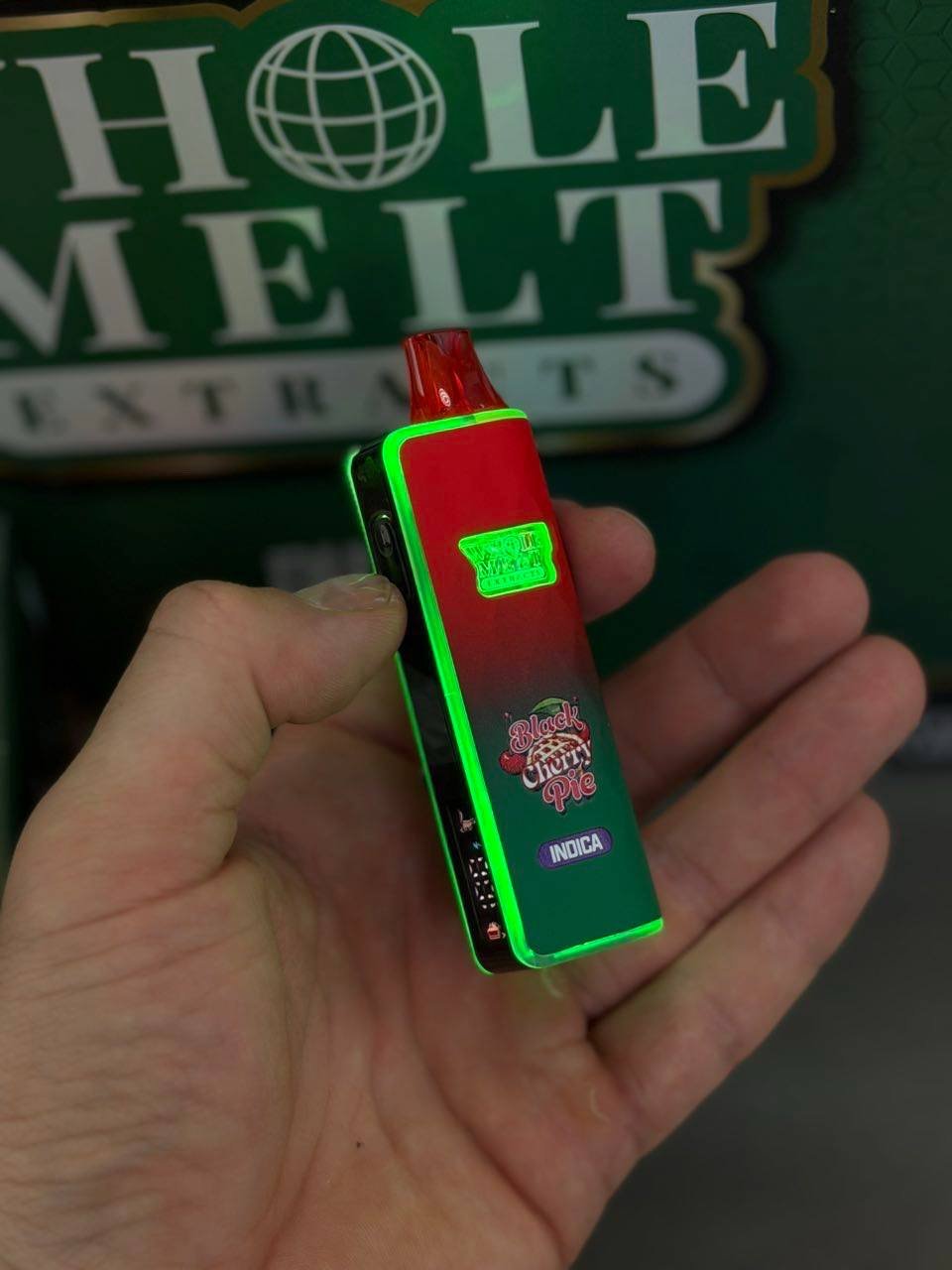
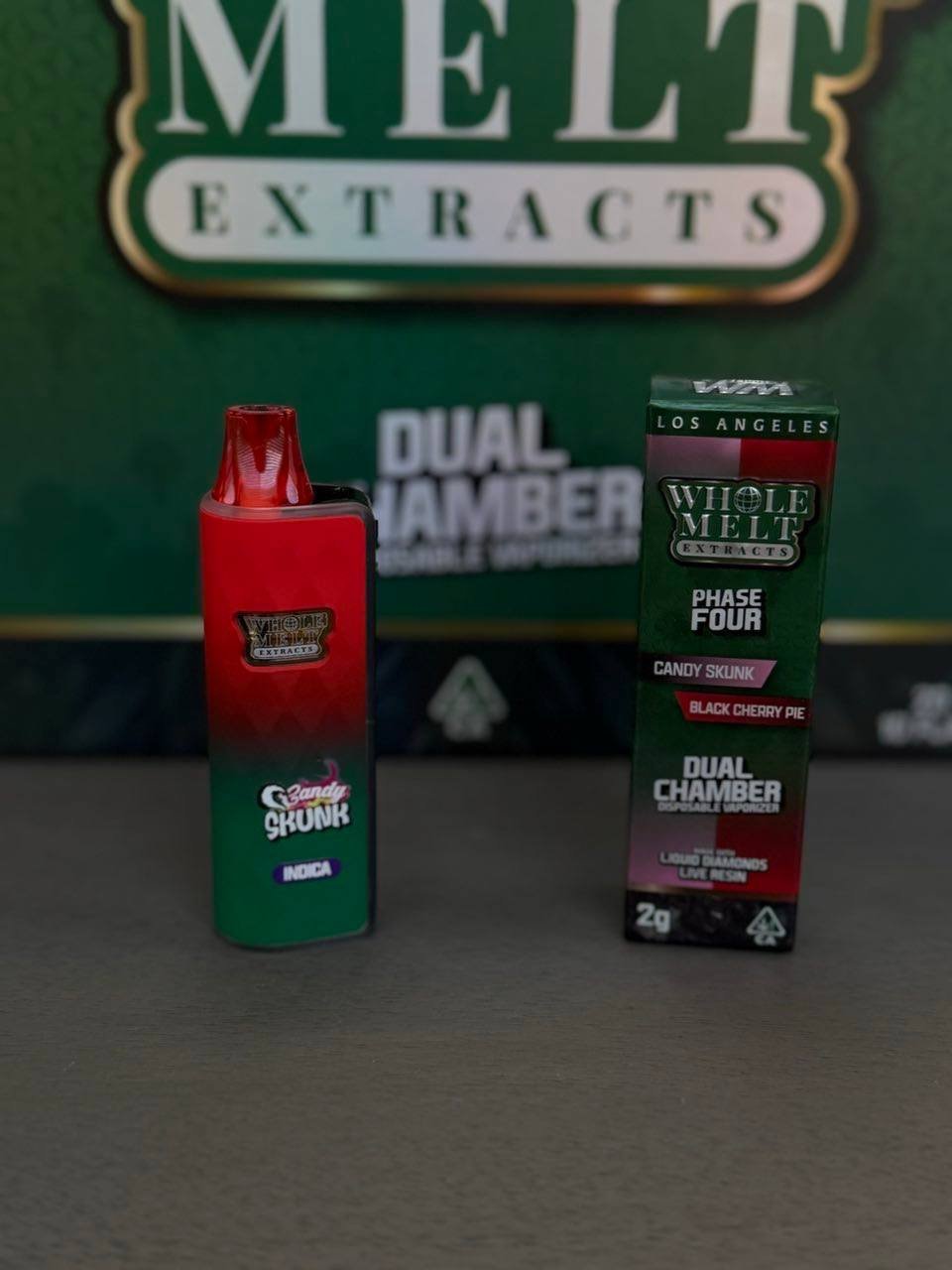
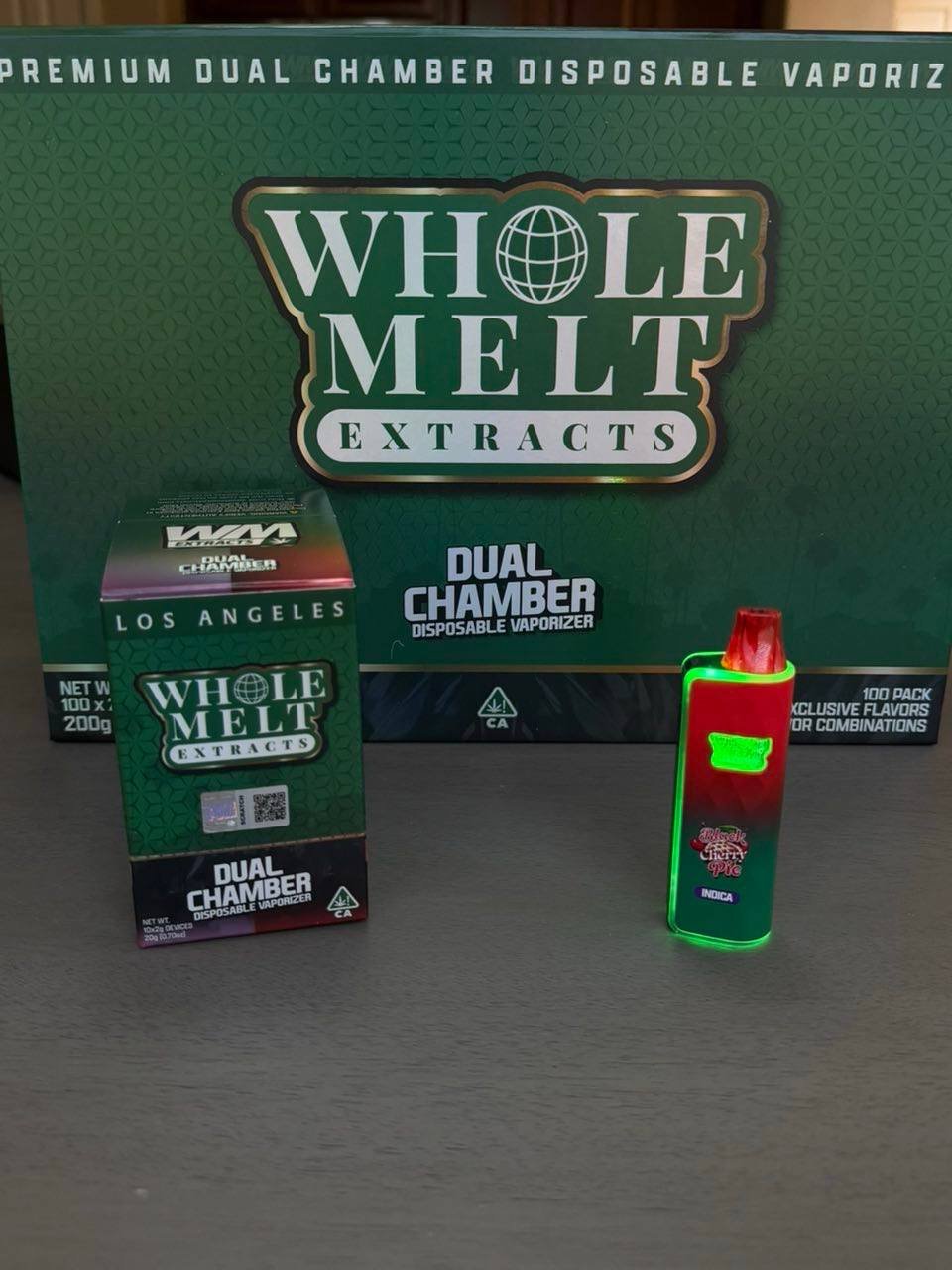

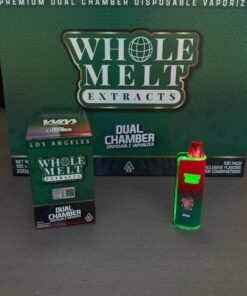
WHOLE MELT PHASE 4 DISPOSABLE


Price range: $25.00 through $1,000.00
In recent years, whole melt phase 4 vapor hardware has evolved significantly in both design and classification systems. Manufacturers increasingly use structured naming conventions such as “Phase 4” to differentiate internal configurations, production batches, or formulation stages. Therefore, names like Whole Melt Phase 4 Disposable often reflect an internal product series rather than a scientific categorization.
Whole Melt Phase 4 Disposable Informational Device and Classification Overview
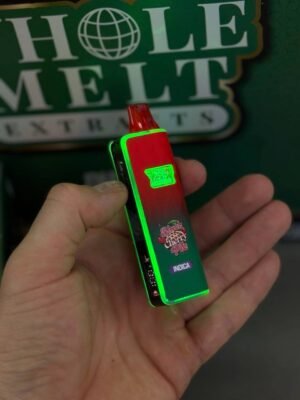
In recent years, whole melt phase 4 vapor hardware has evolved significantly in both design and classification systems. Manufacturers increasingly use structured naming conventions such as “Phase 4” to differentiate internal configurations, production batches, or formulation stages. Therefore, names like Whole Melt Phase 4 Disposable often reflect an internal product series rather than a scientific categorization.
This overview explains the structural design, manufacturing processes, labeling systems, and compliance considerations associated with a device labeled Whole Melt Phase 4 Disposable. Instead of promoting usage, this content focuses strictly on hardware construction, classification logic, and supply chain management.
Airflow Engineering and Structural Balance
To begin with, “whole melt dual chamber Phase 4” typically functions as a series identifier. Manufacturers use phase labeling to distinguish between iterations of a product line. For example, earlier phases may have featured different internal calibration, airflow configurations, or component suppliers.
Because iterative improvements are common in hardware production, phase labeling allows internal teams to track upgrades efficiently. As a result, distributors and retailers can identify which batch aligns with updated specifications.
Additionally, phase-based naming simplifies inventory documentation. Consequently, logistics teams can separate stock based on production cycles.
Disposable Device Classification
whole melt dual chamber devices are self-contained electronic units designed for single lifecycle use. Unlike modular systems, disposables integrate battery, heating element, reservoir, and casing into one sealed structure.
Whole Melt Phase 4 Disposable fits within this classification as:
- A sealed electronic format
- A pre-calibrated internal system
- A non-refillable device structure
- A capacity-labeled inventory item
Because all components are factory-installed, post-production modification is neither required nor supported.
Exterior Construction and Materials
From a structural perspective, the exterior casing is designed for durability and portability. Manufacturers typically use lightweight composite materials that resist minor impact.
Furthermore, exterior finishes are selected to minimize visible wear. As a result, devices maintain a consistent appearance throughout distribution and retail handling.
The housing is sealed during final assembly. Therefore, internal components remain protected from dust exposure under standard storage conditions.
Internal Component Configuration
Inside the device, internal components are vertically arranged to maximize spatial efficiency. This configuration typically includes:
- Integrated lithium-based battery module
- Heating element assembly
- Airflow channel
- Sealed internal chamber
- Indicator light or interface component
Because the layout is standardized, manufacturing variability is reduced. Consequently, quality assurance inspections can follow repeatable benchmarks.
Power Delivery and Calibration
Battery calibration plays a crucial role in disposable hardware consistency. In this format, the battery is matched to internal resistance levels and operational load expectations.
Additionally, circuitry regulates output to prevent irregular power spikes. Therefore, performance consistency across units is improved.
During production, power output is tested under controlled conditions. As a result, units that fall outside tolerance ranges are removed before packaging.
Airflow Engineering and Structural Balance
Airflow design affects structural efficiency within disposable devices. Engineers design internal air channels to remain unobstructed during operation.
Moreover, airflow pathways are integrated into the molded housing. Because of this integration, loose internal tubing is minimized.
Proper alignment is verified before sealing. Consequently, airflow consistency remains stable across production batches.
Manufacturing Standards and Assembly Protocols
Whole Melt Phase 4 Disposable is assembled using automated and semi-automated production lines. Each stage of assembly is monitored to maintain uniformity.
Standard manufacturing checkpoints include:
- Battery installation verification
- Electrical continuity testing
- Seal compression inspection
- Exterior alignment check
Because these steps are standardized, large-scale production maintains predictable output quality.
Quality Control and Batch Tracking
Quality control protocols are implemented throughout production. Batch tracking identifiers are assigned during packaging.
These identifiers support:
- Inventory auditing
- Compliance documentation
- Recall traceability
- Supplier accountability
If discrepancies arise, affected batches can be isolated efficiently. Therefore, supply chain risk is minimized.
Packaging Structure and Labeling Standards
Packaging serves both protective and informational purposes. Boxes are sized to prevent internal movement during transit.
Additionally, labeling includes:
- Product name
- Series designation (Phase 4)
- Capacity classification
- Batch number
- Regulatory notices where applicable
Label placement follows compliance guidelines. As a result, retailers can verify product information without opening sealed packaging.
Storage and Environmental Considerations
Proper storage conditions help preserve structural integrity. Devices should be stored in cool, dry environments away from prolonged direct sunlight.
Extreme temperatures may impact battery stability. Therefore, climate-controlled storage is recommended during warehousing.
Humidity exposure should also be minimized. Consequently, packaging seals remain intact and labeling remains legible over extended periods.
Logistics and Distribution Efficiency
Disposable devices are optimized for efficient shipping. Uniform dimensions allow cartons to be stacked securely.
Because packaging is standardized:
- Shipping damage is reduced
- Scanning efficiency improves
- Warehouse organization becomes simpler
Barcode systems support automated tracking. As a result, distribution timelines are streamlined.
Regulatory Framework and Restricted Handling
In regulated markets, distribution of disposable vapor devices is limited to authorized entities. Therefore, compliance documentation accompanies shipments when required.
Retailers must follow age-restricted sales policies in jurisdictions where applicable. As a result, accountability is maintained throughout the supply chain.
Additionally, packaging includes mandated notices. Consequently, regulatory transparency is preserved at the retail level.
Environmental Responsibility and Disposal Guidance
Disposable electronic devices contain batteries and internal circuitry. For this reason, responsible disposal practices are encouraged.
Many regions provide electronic waste collection programs. Therefore, devices should be handled according to local recycling guidelines.
Manufacturers increasingly evaluate recyclable packaging alternatives. As a result, environmental impact may be reduced over time.
Structural Integrity During Handling
Whole Melt Phase 4 Disposable is engineered to withstand standard handling conditions. Internal components are secured to prevent vibration-related displacement.
Furthermore, reinforced seam alignment helps maintain casing stability. Because of these measures, damage rates during shipping are generally minimized.
However, excessive force may compromise structural integrity. Therefore, careful handling is recommended at all stages of distribution.
Product Positioning Within Hardware Categories
Within the whole melt disposable hardware market, phase-based products represent iterative development rather than separate product types.
Whole Melt Phase 4 Disposable aligns with this model by integrating updated internal calibration into a familiar structural format.
Key defining features include:
- Sealed construction
- Integrated battery system
- Phase-series classification
- Standardized packaging
Because these features follow industry norms, the device can be cataloged efficiently in inventory systems.
Informational Summary
In summary, Whole Melt Phase 4 Disposable is a sealed, capacity-classified electronic device identified by a structured phase-series naming convention. Through standardized manufacturing, structured quality assurance, and compliance-focused packaging, the device fits within modern distribution frameworks.
This overview provides a neutral explanation of hardware design, classification logic, and supply chain considerations. As a result, it serves as an informational resource rather than promotional material.
| Prices | Cherry zlushy, flame brailey, Zoap Tartk 5 pack, 10 pack, 25 pack, 50 pack, 100 pack master box |
|---|
1 review for WHOLE MELT PHASE 4 DISPOSABLE
Add a review
Related products


Disposable Vape And Cartridge


Disposable Vape And Cartridge


Disposable Vape And Cartridge


Disposable Vape And Cartridge


Disposable Vape And Cartridge

Disposable Vape And Cartridge

Disposable Vape And Cartridge


Disposable Vape And Cartridge
Anne –
The flavors are really clean and strong you can actually taste the terps instead of that burnt cart taste. The vapor is thick but not harsh on the throat, which I liked a lot.
The high hits pretty fast and feels more like a dab than a regular pen. Definitely strong, so beginners should take small pulls. Battery lasted me a good while and it didn’t clog on me, which is rare for disposables.